


 Industry Insider
How Yvonne Song is connecting creative worlds through images, music and human stories
From photographing global artists to documenting emerging creative communities, Song reflects on trust, technology, visual storytelling and life between the camera and the dancefloor
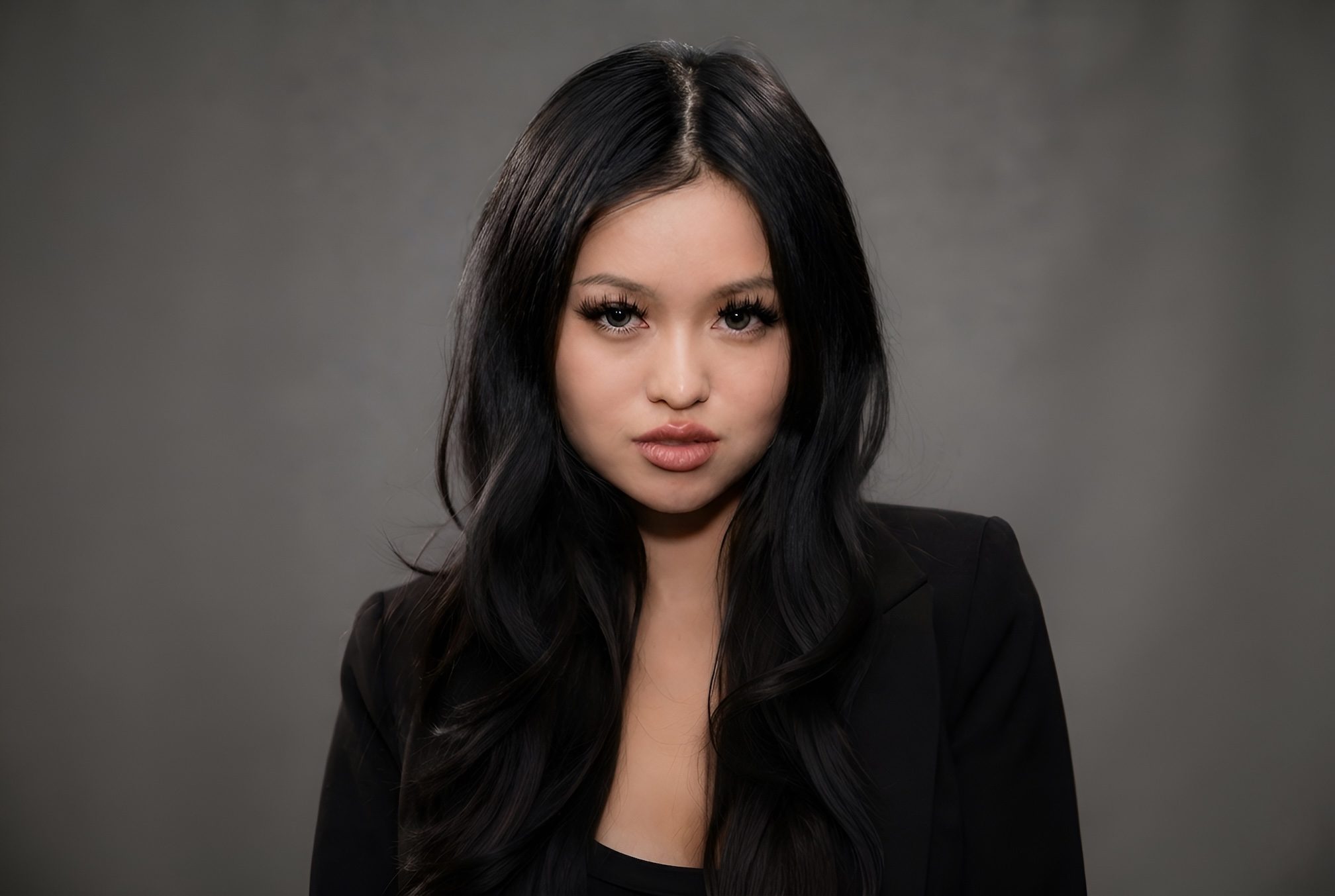
Based in New York, Yvonne Song has built a multidisciplinary career where photography, film, music and creative direction constantly inform one another. Her portfolio spans collaborations with artists including Miguel, Amaarae, JT and Westend, alongside projects across fashion, editorial work, live events and cultural storytelling. Rather than treating each discipline as a separate practice, she approaches them as different ways of shaping a single creative vision.
That perspective was shaped by experiences across different countries and by a pivotal period during the pandemic, when returning to Shanghai led her to document neighbourhoods, communities and everyday life through photography and documentary work. The experience transformed her understanding of storytelling, shifting the focus beyond aesthetics and towards capturing people, culture and the moments that define them.
Alongside her work as a creative director, Song is also an active DJ and producer, an extension of the same curiosity that drives her visual practice. Whether behind the camera, in the studio or on the dancefloor, she is drawn to projects that connect emotion, atmosphere and human experience. As her work continues to expand internationally, she remains focused on exploring new forms of visual storytelling while documenting the creative voices shaping contemporary culture.
Q+A: Yvonne Song
What do you tell people when they ask what you do?
I'm a creative director working across different mediums. Some days I'm directing shoots, other days I'm producing, photographing, building visual worlds or DJing. I don't really see creativity as something that lives in one lane - I like moving between disciplines and letting each one influence the next.
Which moments fundamentally changed the direction of your journey?
COVID completely changed the direction of my career.
I was studying in the UK when everything shut down, so I returned to my hometown, Shanghai, and finished university remotely. That unexpected period gave me the freedom to fully immerse myself in the city's creative scene for the first time.
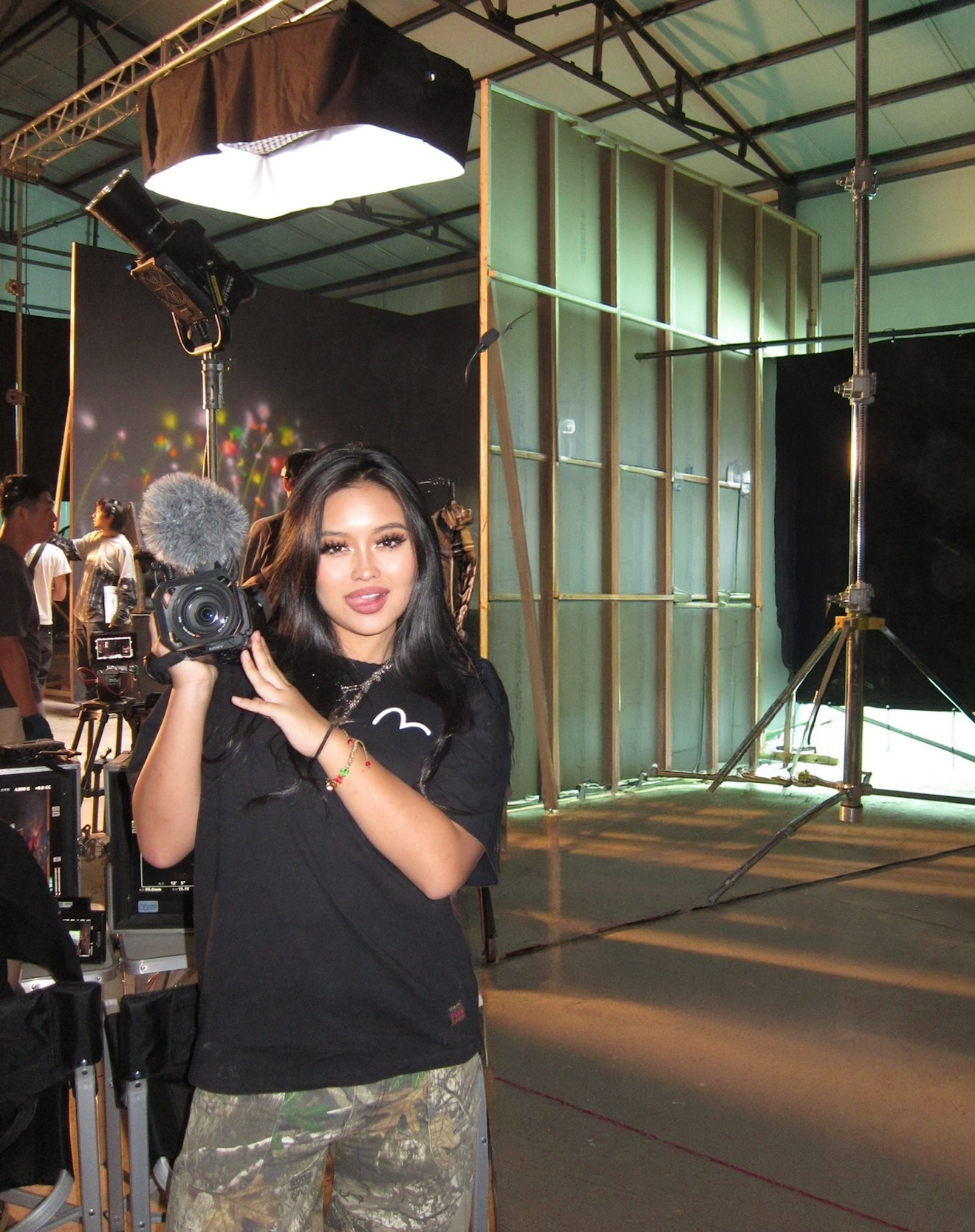
I started shadowing PUSH Media, where I experienced everything from music videos to commercial campaigns and advertising productions. At the same time, I began documenting Shanghai during the pandemic on film while producing documentary projects about neighborhoods experiencing rapid gentrification, interviewing local residents and preserving stories that might otherwise disappear.
Growing up between different countries, I never spent much time at home, so rediscovering Shanghai through a camera completely changed the way I approached storytelling. It made me realize that creative work isn't just about making beautiful images. It's about documenting culture and people in an honest way.
What does a typical week actually look like for you?
Honestly, there isn't a typical week.
Working in New York means projects can happen overnight. I'll get a call to jump onto a shoot with an artist or brand, spend the day directing or photographing on set, then head straight to DJ a show later that night.
The pace is intense, but I love it. Every week introduces new people, new ideas and completely different creative challenges.
Every artist already has a story before the camera arrives. How do you uncover the visual language that feels authentic to who they are?
I always believe the strongest creative work comes from who someone genuinely is.
Every artist already has their own story, culture and personality before a camera ever shows up. My job isn't to reinvent them. It's to understand what already makes them unique and translate that into visuals.
When people stop trying to become someone else, that's when audiences really connect with their work.
Working with artists such as Miguel, Amaarae, JT and Westend means stepping into very different creative worlds. What have those experiences taught you about earning an artist's trust?
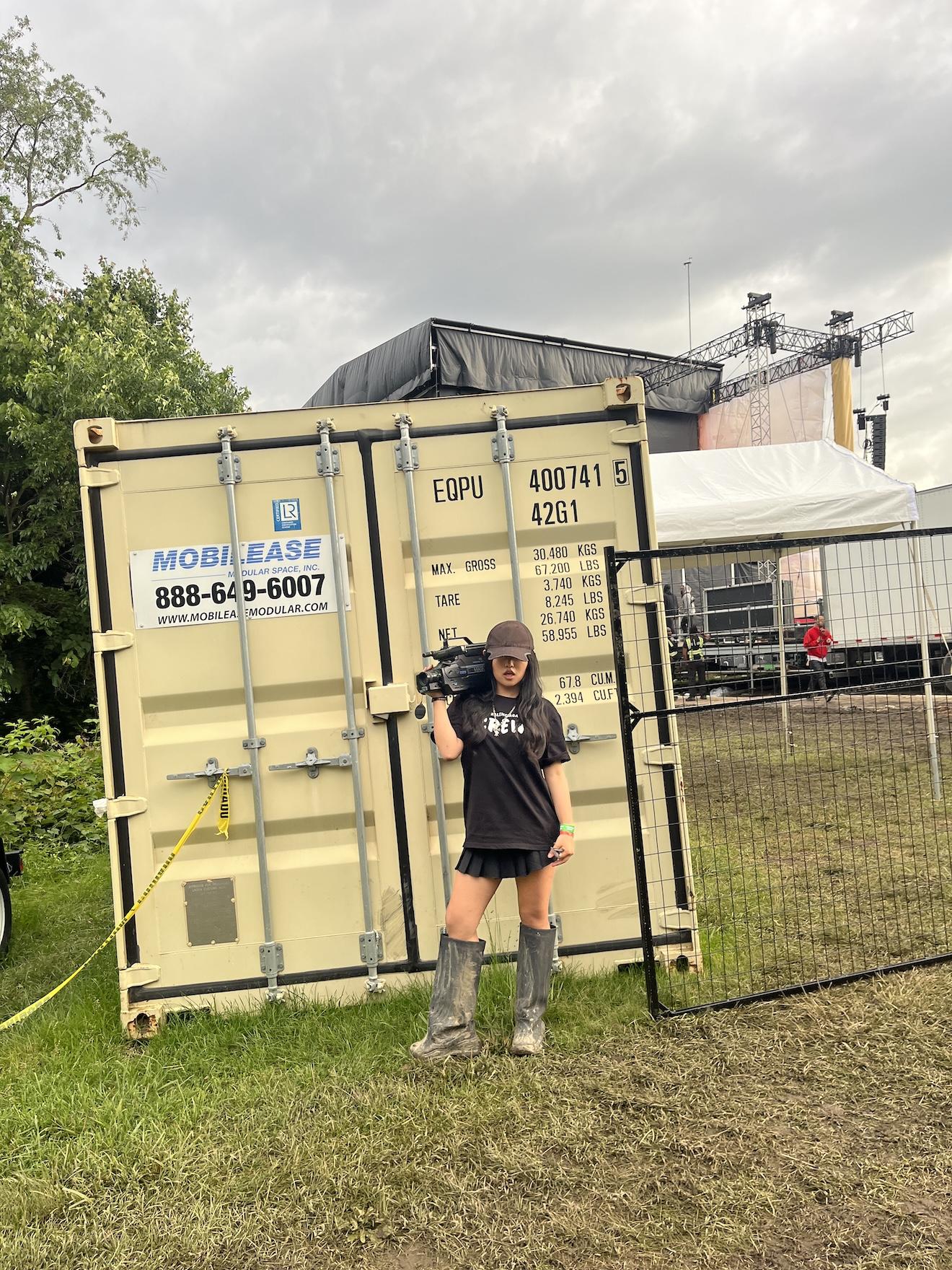
Working with artists across different genres has taught me that trust begins long before production starts.
I always spend time speaking with both the artist and their management to understand their vision before bringing my own creative approach into the project. My role is never to replace their vision, it's to collaborate and elevate it.
Communication is everything. Whether it's the shot list, logistics or delivery, I'd rather ask questions than make assumptions. Being prepared allows everyone else to focus on creating.
Most importantly, stay true to yourself. Artists hire you because they trust your perspective and your personality just as much as your portfolio. Authenticity builds stronger relationships than trying to be someone you're not.
And if something feels almost impossible to achieve, find a way to make it work. Trust me, when you make the impossible possible, you really earn the team's respect.
Music and visual culture seem more connected than ever. How do you see that relationship evolving?
When I first got into the creative world, music and visual culture felt like completely separate industries. Now they're becoming part of the same experience.
Artists like Anyma have shown how visuals can be just as powerful as the music itself, creating immersive worlds rather than simply putting on a performance. Studios like Hangar are also pushing the boundaries of what's possible, and it's inspiring to see the kind of work they're creating.
With AI, real-time rendering, and emerging creative technologies evolving so quickly, I think we're only at the beginning. Music, design, film, and technology are becoming increasingly intertwined, and the line between them will continue to blur. It's a really exciting time to be creating because there are so many new ways to tell stories and connect with people.
How do you continue learning while working across so many creative disciplines?
I'm constantly learning.
Honestly, YouTube has probably taught me just as much as university. Whether it's Unreal Engine, Blender, FPV drones or the latest AI tools, I love learning directly from people who are pushing the industry forward.
I'm also lucky to be surrounded by incredibly talented creatives in New York and around the world. We constantly exchange ideas, share workflows, recommend new tools and inspire each other's projects.
I think staying curious is one of the most valuable skills you can have as a creative.
As both a creative director and a DJ, does being on the dancefloor change the way you approach visual storytelling?
Definitely.
DJing teaches you how to read energy in real time. Every crowd is different, so you're constantly adapting your set based on how people are feeling.
Visual storytelling works the same way. I pay attention to emotion, atmosphere and human reactions instead of trying to force an idea. The best moments usually happen naturally.
What attracts you to creating in moments that only exist once?
Those are the moments that feel the most alive.
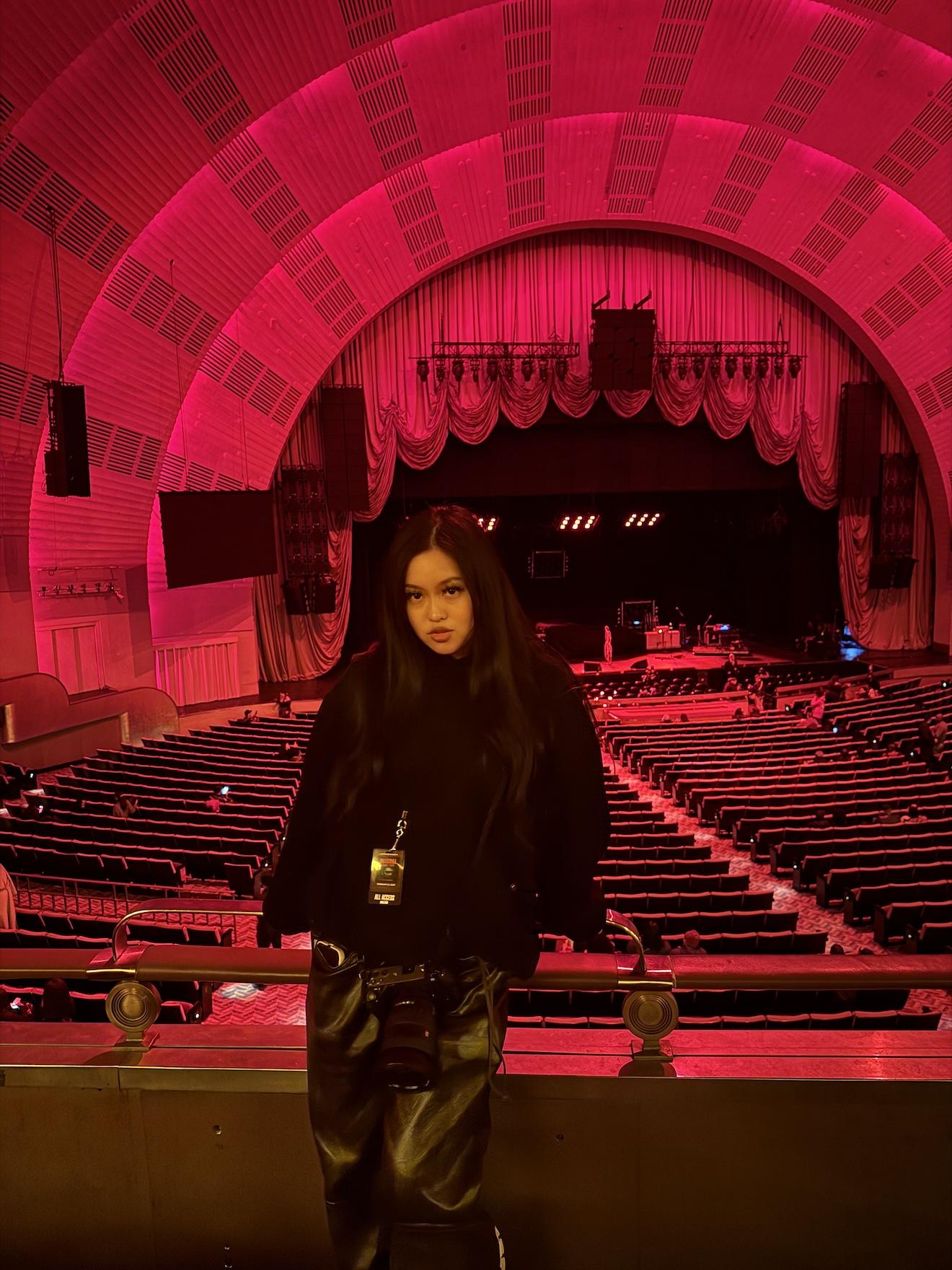
Whether it's a live performance, a documentary scene or an unexpected moment on set, you only get one opportunity to capture it. That pressure forces you to trust your instincts instead of chasing perfection.
There's something really special about preserving a moment that can never be recreated.
Your work has taken you from New York to Paris, Shanghai and other capitals. What cultural differences have had the biggest influence on the way you approach storytelling?
Living and working across different cities has completely shaped the way I see the world.
Every place has its own rhythm, values and way of telling stories. Meeting creatives from different cultures has taught me that there is never only one perspective.
I always try to understand someone's background before telling their story because that's where the most meaningful work comes from.
Which new technologies genuinely excite you, and which human qualities remain irreplaceable?
AI has been one of the most exciting creative developments I've witnessed.
Tools like Kling, Seedance and other generative models have completely changed how quickly ideas can evolve into visuals. They allow creatives to prototype concepts that would have once taken weeks.
At the same time, I don't think technology will ever replace human curiosity, empathy or lived experiences. AI can generate images, but it can't replace genuine emotion or meaningful human connection. Those will always be the foundation of great storytelling.
What helps you stay focused while balancing so many creative responsibilities?
I'm obsessed with staying organized.
I keep detailed calendars, moodboards, notes and running idea lists for every project I'm involved in. Having structure actually gives me more freedom to be creative because I'm not worrying about forgetting something.
I also try to protect time for inspiration. Whether that's visiting galleries, watching films, travelling or simply walking around New York, those moments often lead to my best ideas.
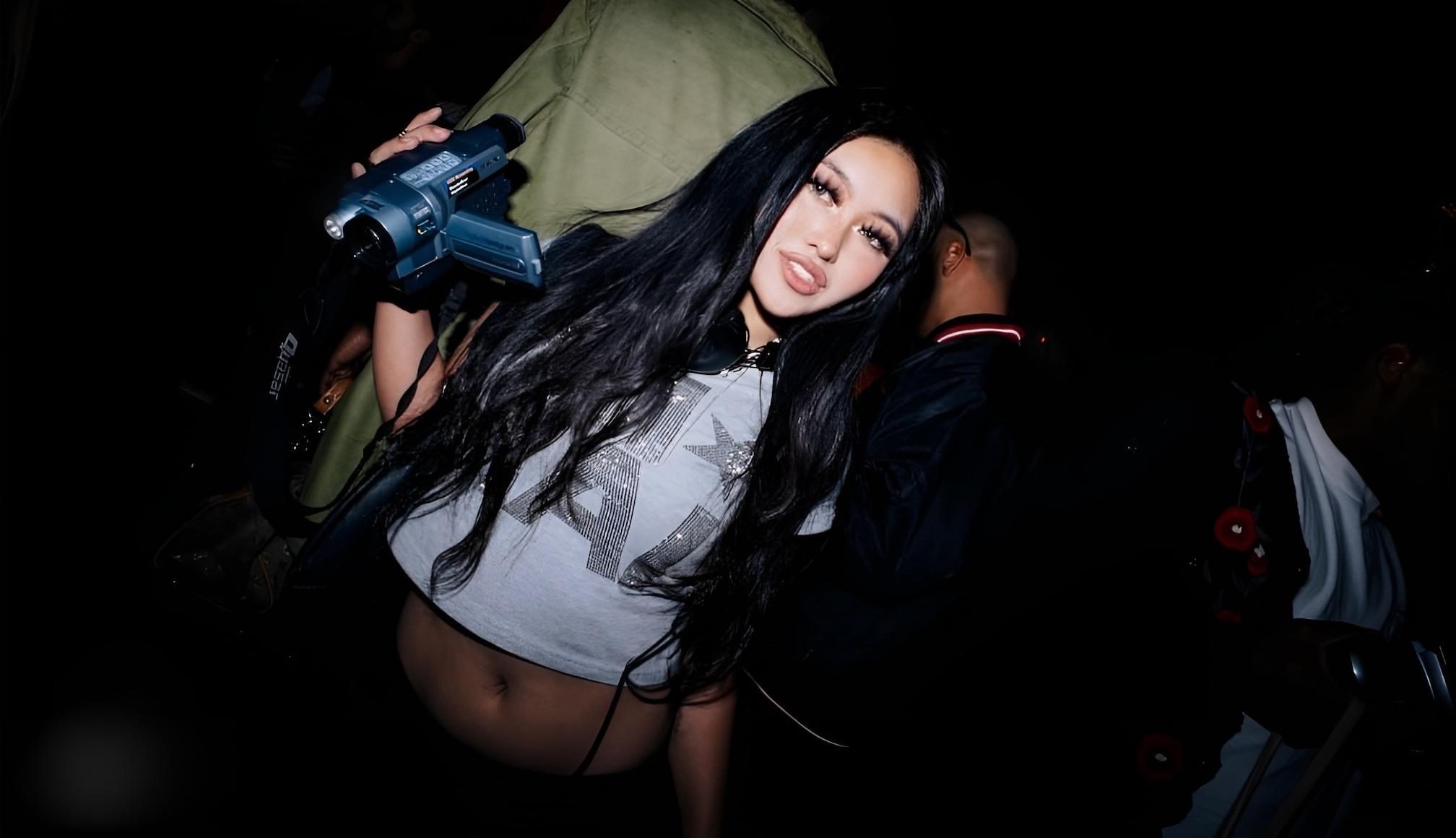
Who inspired you, creatively or professionally, when you were building your career?
My first inspiration was my dad.
He introduced me to cameras when I was young, encouraged me to travel and always supported my creative interests. He showed me that a camera wasn't just a piece of equipment, it was something that could connect you with people and open doors around the world.
After moving to New York, my inspiration became the city's creative community. Everyone is constantly building something. Whether it's artists, photographers, producers, DJs or label owners, there's an incredible energy here that pushes you to keep growing.
You wear many hats as a creative director, photographer, producer and DJ. Do you see them as different careers, or different ways of telling the same story?
I see them as different languages telling the same story.
Photography freezes a single moment. Film gives it movement. Music creates emotion. Creative direction connects all of those pieces together.
The tools are different, but my goal is always the same—to create experiences that people remember.
Your upcoming projects explore new generations of creatives around the world. What conversations or stories deserve far more attention today?
I'm really interested in documenting the next generation of creatives around the world.
Young creatives aren't waiting for permission anymore. They're directing films, building brands, DJing, designing fashion, experimenting with AI and creating entirely new career paths that didn't exist before.
I think the industry should spend more time listening to emerging voices. Great ideas aren't defined by age, they're defined by curiosity, perspective and the courage to try something different.
Looking ahead, what kind of creative legacy do you hope to leave?
I hope people remember me as someone who connected worlds.
Whether that's connecting cultures, creative disciplines, or communities, I've always believed creativity is at its strongest when people collaborate across different backgrounds and perspectives.
A big part of that is a documentary series I'm creating that follows Gen Z creatives from around the world. Each episode is told in the subject's own voice, language, and creative style, capturing what makes their perspective unique. My goal is to showcase the next generation of creatives who are reshaping culture while reminding people that, despite our different backgrounds, we're all connected through creativity.
If my work inspires someone to tell stories more honestly, embrace new technology without losing their humanity, or create without feeling confined to a single discipline, then I'd feel like I've left something meaningful behind.
Follow Yvonne Song on Instagram
Images: Divulgação
