


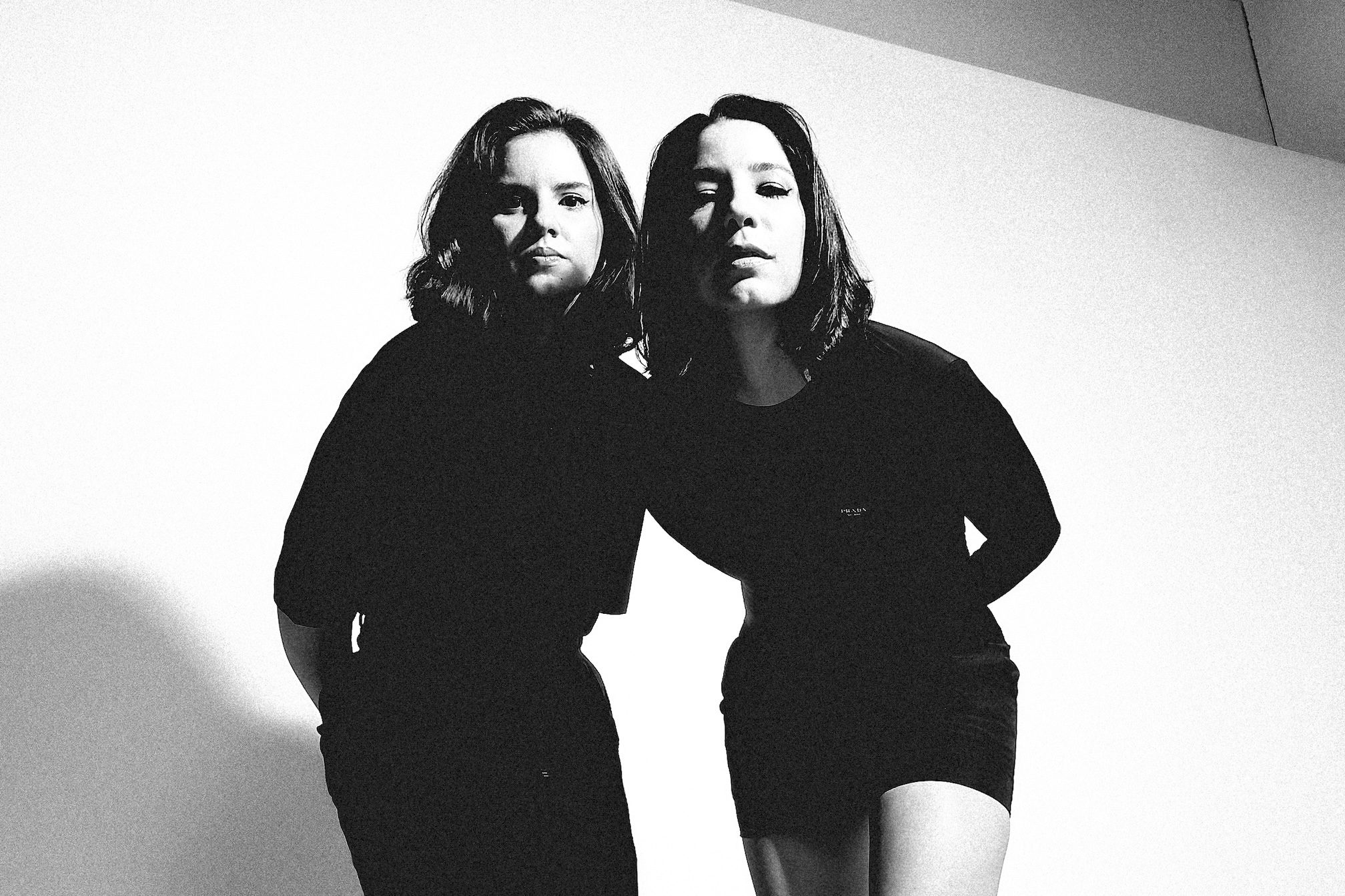
 Cover Story
From House to Disco: two perspectives, one pulse
The meeting of distinct ways of listening that resulted in one of the most consistent projects of the new generation of Brazilian electronic music
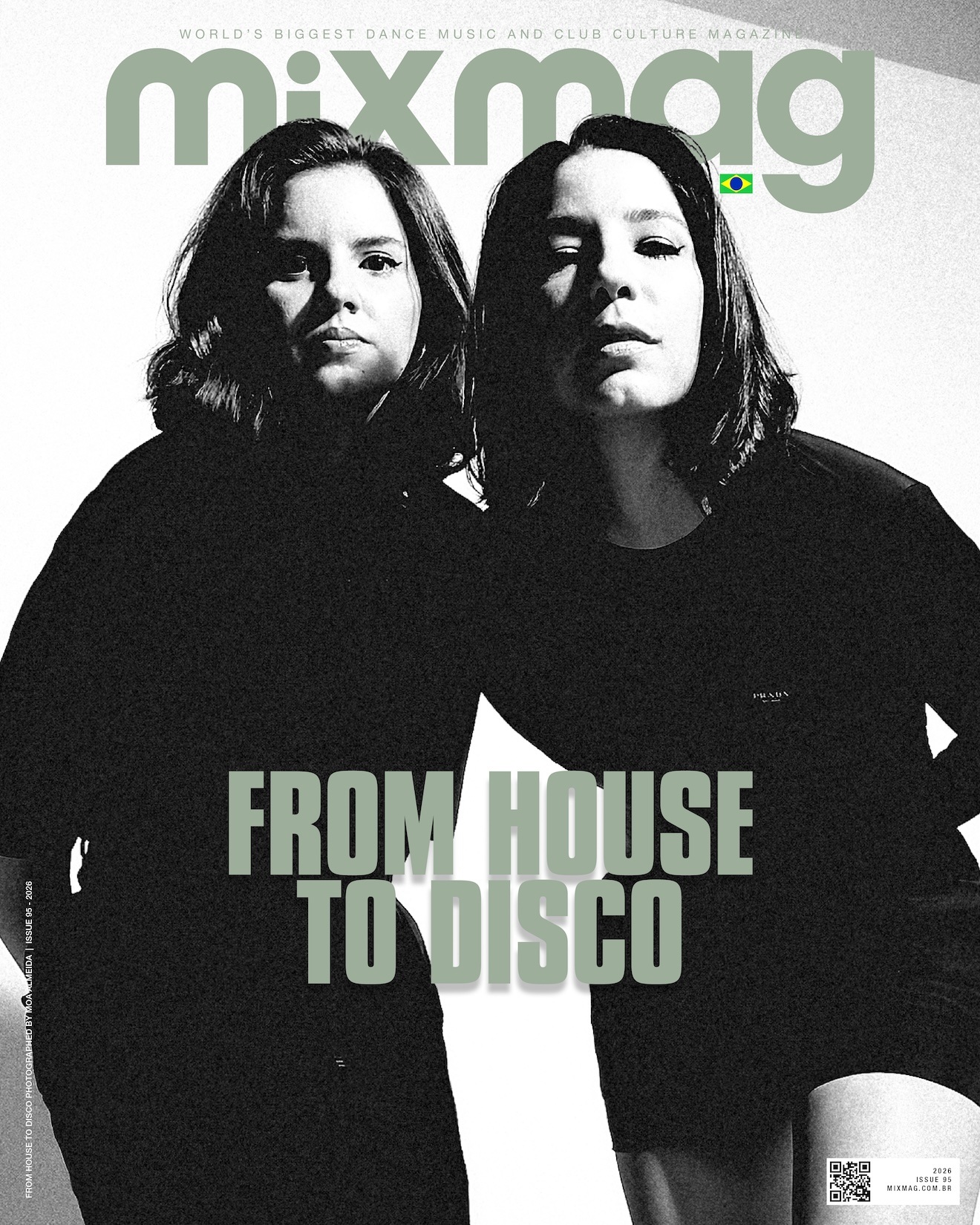
More than a duo, From House to Disco is the convergence of two ways of listening shaped by different times, spaces, and silences, yet united by the same obsession: the dancefloor as a living language. Livia’s relationship with music begins early, in the living room at home, mentally leafing through her mother’s record collection, Depeche Mode, New Order, Pet Shop Boys, references that not only shaped her ear but also laid down a pop, melodic, and emotional sensibility that crosses generations.
Bruna, on the other hand, a more introspective child, found refuge in late nights guided by the radio, absorbing rhythms, grooves, and atmospheres until encountering a key figure: DJ Marky, whose precision and musicality opened a definitive door to the universe of electronic music. It is from this contrast that From House to Disco is born.
Originally from São Paulo, Bruna and Livia have been building, for nearly a decade, a trajectory marked by aesthetic coherence and creative freedom. Their sound, danceable, elegant, and deeply conscious, flows between house and disco without empty nostalgia or attachment to labels, balancing memory and freshness with rare naturalness. Each set functions as a carefully designed journey, the result of attentive curation and deep research, where old school dialogues with the now, and the dancefloor responds effortlessly.
This approach has led them to occupy some of the most relevant spaces in the Brazilian scene, especially along the Rio–São Paulo axis, passing through parties and festivals such as Selvagem, Gop Tun, Festa Rara, Time Warp, DGTL, Tomorrowland Brasil, D-Edge, Piknic Electronik, Lollapalooza, and Glitterbox. Along the way, they have shared line-ups with names like Kerri Chandler, Cinthie, Danny Daze, Mall Grab, Krystal Klear, Kettama, Avalon Emerson, and Roman Flügel, further expanding the reach and maturity of their reading of the dancefloor.
Outside Brazil, the duo’s signature has also resonated on European dancefloors such as the Amsterdam Dance Event and Drop Dance Society in Amsterdam, as well as emblematic stages in Lisbon, including Rock in Rio and MusicBox. In the studio, this same personality translates into consistent releases on respected labels such as Razor-N-Tape, a global reference in disco and house; Basement Discos; Definitive Recordings, now based in Berlin under the management of Get Physical, as well as Massa Records (by Renato Cohen), Cocada Music (by Leo Janeiro), and U’re Guay Records, within the Latin American scene.
With a sharp understanding of dancefloor dynamics from multiple perspectives and a fluid, charismatic, and confident presence, From House to Disco now occupies a singular space among the country’s emerging talents. We spoke with Bruna and Lívia at a symbolic moment: following the release of the remix of “Garota Sangue Bom” via Universal Music, a classic by Fernanda Abreu, the duo closes out 2025 with their feet firmly planted in the present and a wide horizon ahead, filled with new possibilities, clearly pointing toward an even more expansive 2026.
Q+A: From House to Disco
How did music enter your lives, not only as an artistic interest, but as a space of belonging, refuge, and identity-building?
Livia: Music has always been very present in my life. My parents separated early on, each followed their own path and built a new family, and I grew up with this feeling of being somewhat on the outside. In a way, music ended up occupying that space, as companionship at first, which later turned into discovery.
I remember being very small and spending hours sitting on the living room floor, listening to my mother’s records. Often it was the weekend, that moment when my father wouldn’t come to pick me up. I would feel sad, of course, and music was the place where I found comfort and distraction.
In a way, I’m grateful for all of this, because music played an essential role in the construction of my identity, including as a gay woman, back when I didn’t yet know how to name what that meant. I remember how deeply moved I was by The Girlie Show, by Madonna, on TV. I think it was 1992, I was very young, four or five years old. I couldn’t name any of it, but something there made complete sense, it clicked, you know? It wasn’t about being an artist, singing, or being on stage.
It was about presence, freedom, bodies kissing, dancers expressing themselves without fear. That went straight through me. In that moment, I understood that music was a place where people could be free. And that stayed with me forever. Music became this territory of freedom, recognition, and the possibility of existing without asking permission. That’s where my connection to it comes from, before anything else.
Bruna: I was always a very shy, very introspective child. And music was exactly the place where I allowed myself to dream, to create, to imagine who I could be. It was there that I rehearsed other versions of myself, away from other people’s gaze.
I’ve always been a very light sleeper, so I spent a lot of time awake late at night. And it was during those hours that electronic music entered my life. I would fall asleep listening to radio shows, like Marky doing the “Terremoto” on Energia 97 FM, or I’d watch MTV in my brother’s room when they aired electronic music videos late at night.
My relationship with music comes very much from this place of identification. In it, I found someone I wanted to be, an energy that helped me move out of that state of shyness. Music worked as a refuge, but also as a projection, a space where I could exist in a more expansive, more confident way.
It has always been present in my life, not as background, but as an environment where I could slowly build myself, in my own time. I think, in the end, that’s it: music as shelter, but also as possibility.
You met through music, but not immediately. How did this encounter slowly take shape, through coincidences, affinities, and paths that had already crossed before you even realized it?
We were part of the same group of friends, but the most curious thing is that Bruna and I had already been in the same places many times before truly meeting each other. When we started talking, it was always like this: someone would mention a party or a show, Skol Beats, Clash, Glória, Vegas, D-EDGE, and we’d be surprised to realize that both of us had been there on the very same night.
These were very specific events within the electronic music scene, so it became clear that our paths had been crossing for quite some time. When the friendship began, music immediately became the center of everything. We exchanged references, talked about DJs, bands, and shows. Everything always flowed very naturally.
Over time, that affinity grew stronger. Admiration turned into curiosity, curiosity into involvement. It was intense from the beginning, even with Bruna living in Curitiba for a period and us navigating a long-distance relationship. Back then, From House to Disco didn’t yet exist, there were two parallel paths. The duo came three years later, as a natural consequence of a connection that was already firmly in place.
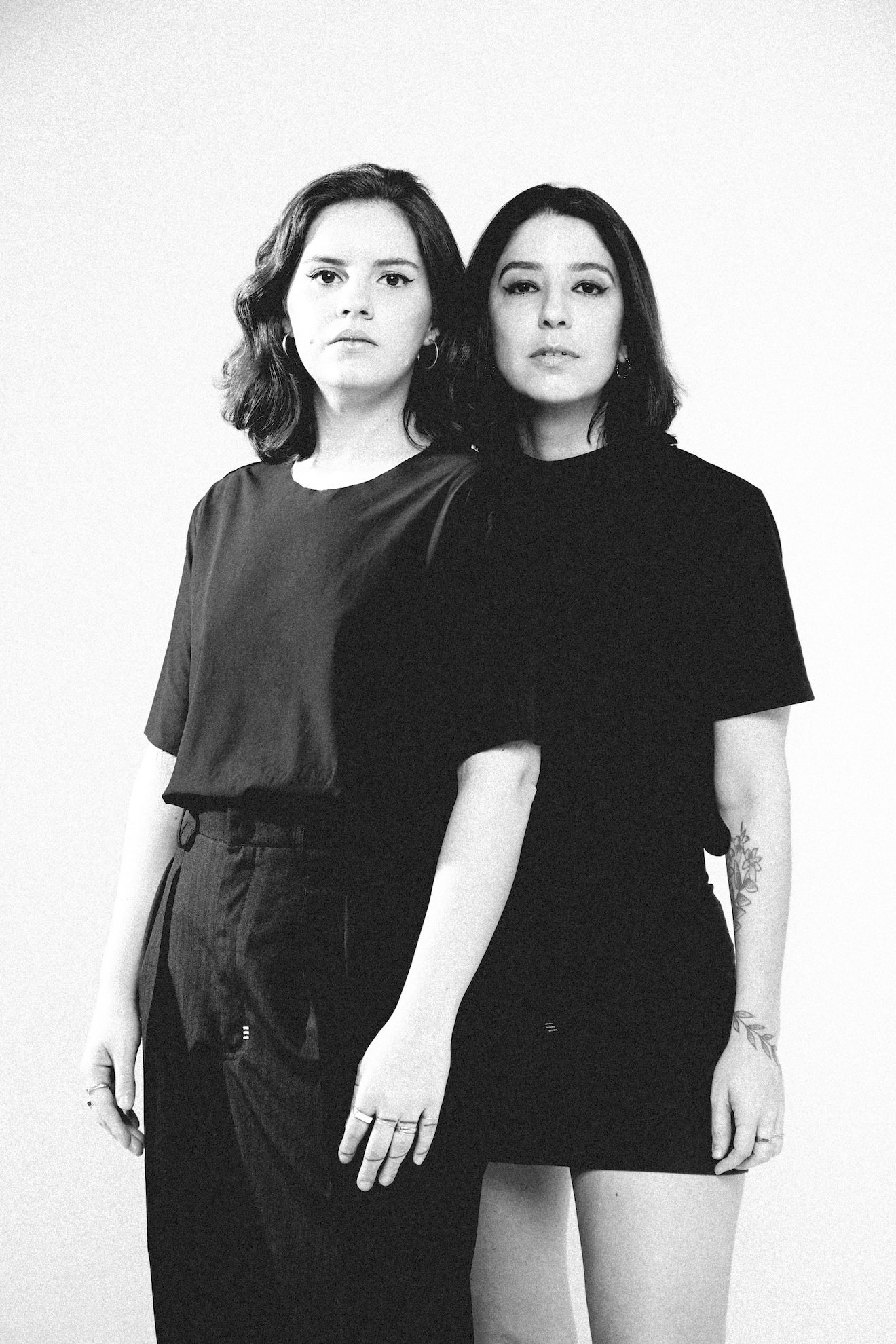
“This binary logic between underground and mainstream fragments the scene and oversimplifies something that, in practice, exists across a much richer and more diverse spectrum.”
Your musical references come from different places. How did these distinct backgrounds meet and begin to dialogue within the sound of From House to Disco?
Bruna: When it comes to references, my background came very much from the dancefloor and from working in clubs. Before DJing, I worked at bars and in production, and I always chose to be in places where I genuinely liked the sound.
So I’d go to Clash, to festivals like Nokia Trends, to parties where electronic music carried more weight. It was the way I found to be present when I didn’t have the money to be there otherwise.
That really shaped my ear. My foundation was always more minimal, deeper electronic music, with a lot of techno, even the tribal sounds of the 1990s. It was a heavier, rawer line that naturally interested me.
And then Lívia came in with a completely different light. She brought a very strong classic disco influence from the 1970s, a warmer, more open musicality. That contrast was essential, because it created a very natural balance between weight and groove. That’s where what would become our sound together began to take shape.
Livia: My musical background, as cliché as it may sound, came largely from my mother’s records, and thankfully she had great taste (laughs). Depeche Mode, New Order, Madonna, Pet Shop Boys… I grew up with this rock, pop, synthpop full of personality. It wasn’t exactly electronic music, but to me it sounded like it, because everything felt so new.
When that met Bruna’s universe, it was almost immediate. We started playing together at home, without any ambition, just for fun, mixing references. One day, among friends, someone asked, “Don’t you have a name for the duo?” and we started thinking about it.
After a while, we realized that what we were doing navigated exactly that space, between disco and house, on the path from one to the other. At some point it naturally emerged: From House To Disco. When the name appeared, it simply stuck. It felt obvious, as if it had always been there.
Bruna: When Lívia came up with From House to Disco, it was immediate. I heard it and thought, “fuck, this is really good.” It made complete sense, sounded true, and seemed to translate exactly what we were doing. And it stayed.
You move through different types of parties, audiences, and markets. How do you see the division that is still so present between “underground” and “mainstream” in electronic music, and its impact on how artists are judged when they grow?
We move through these spaces because it feels natural. At no point was this something we planned, it simply happened. A lot of energy gets wasted trying to fit artists into one box or another. This binary logic between underground and mainstream fragments the scene and oversimplifies something that, in practice, exists on a much richer and more diverse spectrum.
The scene is built across many different contexts, with distinct audiences, structures, and languages coexisting at the same time. Treating this as a direct opposition impoverishes the way the scene is understood, when in fact this multiplicity is one of its greatest strengths.
For us, the scene becomes more interesting precisely when these boundaries are less rigid. There is space for projects that circulate in smaller environments, for those who prefer larger structures, and for those who move between these worlds. None of these choices invalidates the others.
When we leave this binary logic behind and begin to value the diversity of possible paths, that’s when real artists can exist. The less we try to define everything in terms of “either this or that,” the more space there is for genuine, original projects, which is essential to keeping the scene richer, more alive, and more creative.
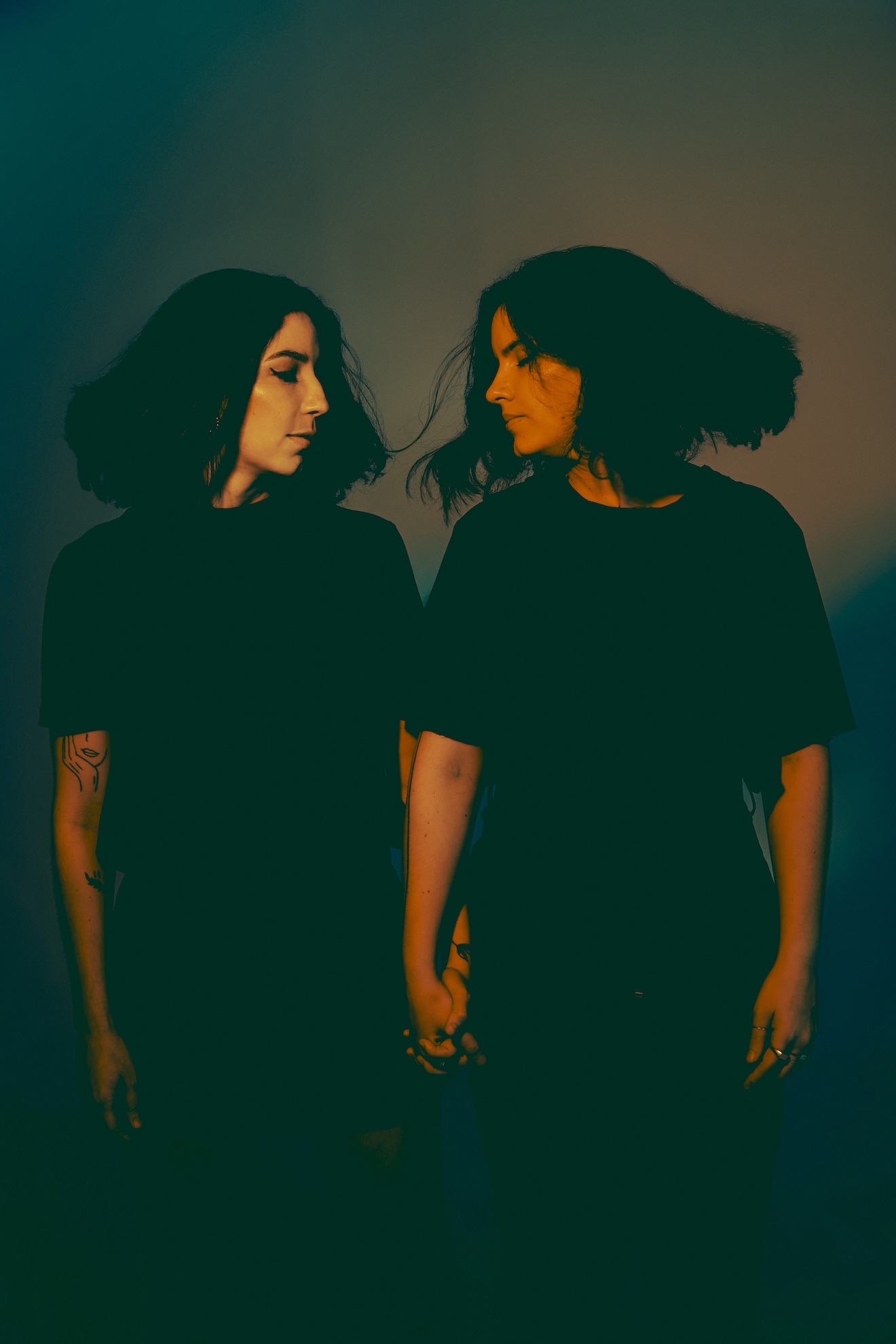
“The less we try to define everything in terms of “either this or that,” the more space there is for genuine, original projects, which is essential to keeping the scene richer, more alive, and more creative.”
What changes have you noticed in the scene over the past few years in terms of behavior, inclusion, and dialogue, especially regarding the presence of historically underrepresented groups?
Change is born out of discomfort. Within our scene, that has never been a barrier, quite the opposite, it has always worked as fuel. When one door closes, people go out and build another, you know? No one just waits around for something to happen. And the truth is that the doors opened by underrepresented groups and collectives end up being far more interesting and original than the ones that were already there.
At some point, this also began to be recognized within larger spaces. Artists and collectives came closer together, created their own events and platforms. This helped diversity in line-ups happen more consistently and ended up giving the rest of the scene a push forward. Music is the central point of this dialogue, but the conversation goes far beyond that.
When you think about Brazil, with all this cultural and sonic plurality, it’s almost ridiculous to be binary, isn’t it? Where do you place funk today, underground or mainstream? That’s exactly the point.
Speaking of funk, it’s impossible not to arrive at Fernanda Abreu. How did this collaboration come about, and what did it mean for you to reinterpret such a central figure in Brazilian music?
Fernanda has been a reference for us for a long time. She’s part of Brazilian music in such a deep way that sometimes we don’t even realize how present she is in our collective memory.
The invitation to work together came from her, at a very special moment: the celebration of Da Lata’s 30th anniversary. She was already preparing the album’s first-ever vinyl release, along with a book and a documentary, and invited us to be part of that celebration with a remix, feeding that relationship she has always had with the dancefloor, with DJs, and with house and disco.
Working with Fernanda is surreal. She’s done it all. She has mixed samba, funk, electronic, and pop, always with boldness. The first question we asked ourselves was: what can we show someone who has already walked so many paths? And, above all, how do we avoid the obvious? From the very beginning, the desire was not to repeat formulas. So we started with the drums, trying to extract something new from them, something with a funky, daring spirit, but not what would be expected.
The biggest challenge was re-signifying “Garota Sangue Bom,” because that song is Fernanda herself: this figure of the carioca woman, of charm, strength, freedom, and independence. How do you update that without losing its essence? It had to be original, and Fernanda’s own identity was a major reference throughout the process.
When we sent her the first excerpt, there was that familiar knot in the stomach. We were ready for a thousand adjustments. And her response came simply: “I loved it, girls!” “I loved how you chopped the vocals, I loved the sound, it’s for the dancefloor, that’s it, let’s move forward.”
That was one of the greatest compliments we could have received. Not only because she’s a giant artist, but because she understands music on a very deep level. Talking with Fernanda is like taking a masterclass. So it was incredibly rewarding to know we got it right.
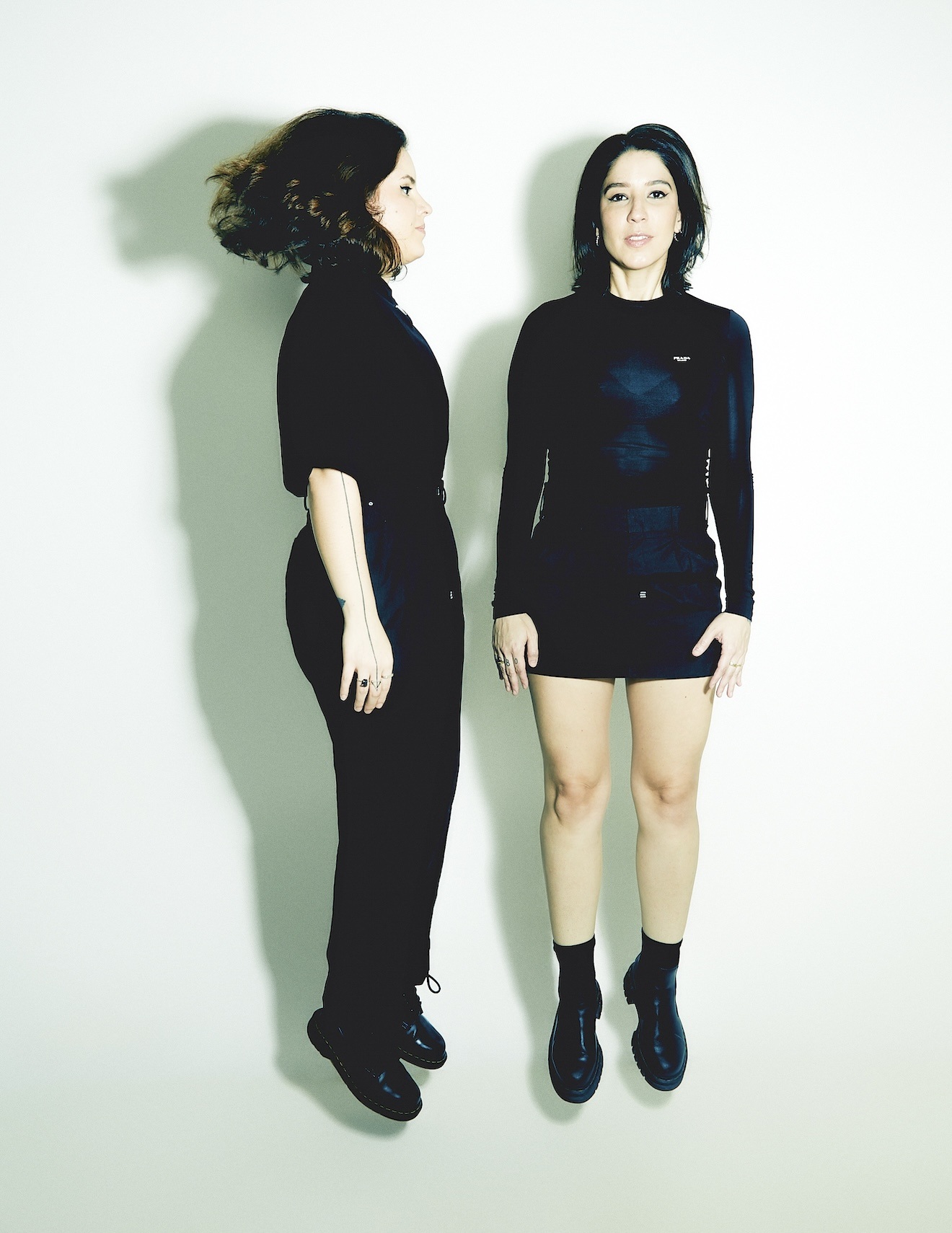
“Music became this territory of freedom, recognition, and the possibility of existing without asking permission.”
Curation is one of the central elements of your work. How does this process function beyond the obvious idea of “personal taste,” and how do research, context, and audience reading inform your decisions in both sets and studio work?
Curiosity is a central point in our work. There’s a constant desire to go deeper, to research and discover music, artists, labels, producers, and musicians. And we want to share that with people, whether in our DJ sets or in our original productions.
There’s so much great music that doesn’t even exist in digital form, and that’s part of the beauty of it. A DJ is, by essence, a curator, if you don’t like researching, change professions. And beyond that, if you’re a producer, stepping outside the obvious sounds of today can be a feast for rediscovering sonorities that an entire generation doesn’t even know.
We truly believe in this exchange between past and present, between discovery and retrieval, and we bring that into the dancefloor as well. I think that if someone chose to be there, instead of being connected to their own Spotify, they want to be surprised by us. Otherwise, they might as well have stayed at home.
In other words, it’s not just about playing what we like, but about creating a coherent experience that connects research, sensitivity, and exchange with those who are there, whether it’s a dancefloor with tens of thousands of people or a more intimate space.
After nearly a decade on the road, what do you feel you’ve had to unlearn as artists in order to keep evolving, especially in a market that often rewards repetition?
One of the first things people try to teach you when you work with music is formulas, how to get played, how to go viral, how to grow, how to engage. Not falling into that trap was our greatest act of boldness.
We don’t want to repeat what has already been successful; we don’t even repeat setlists. We look for that knot in the stomach in everything we do. And that feeling only comes from something we don’t yet know, not from repetition.
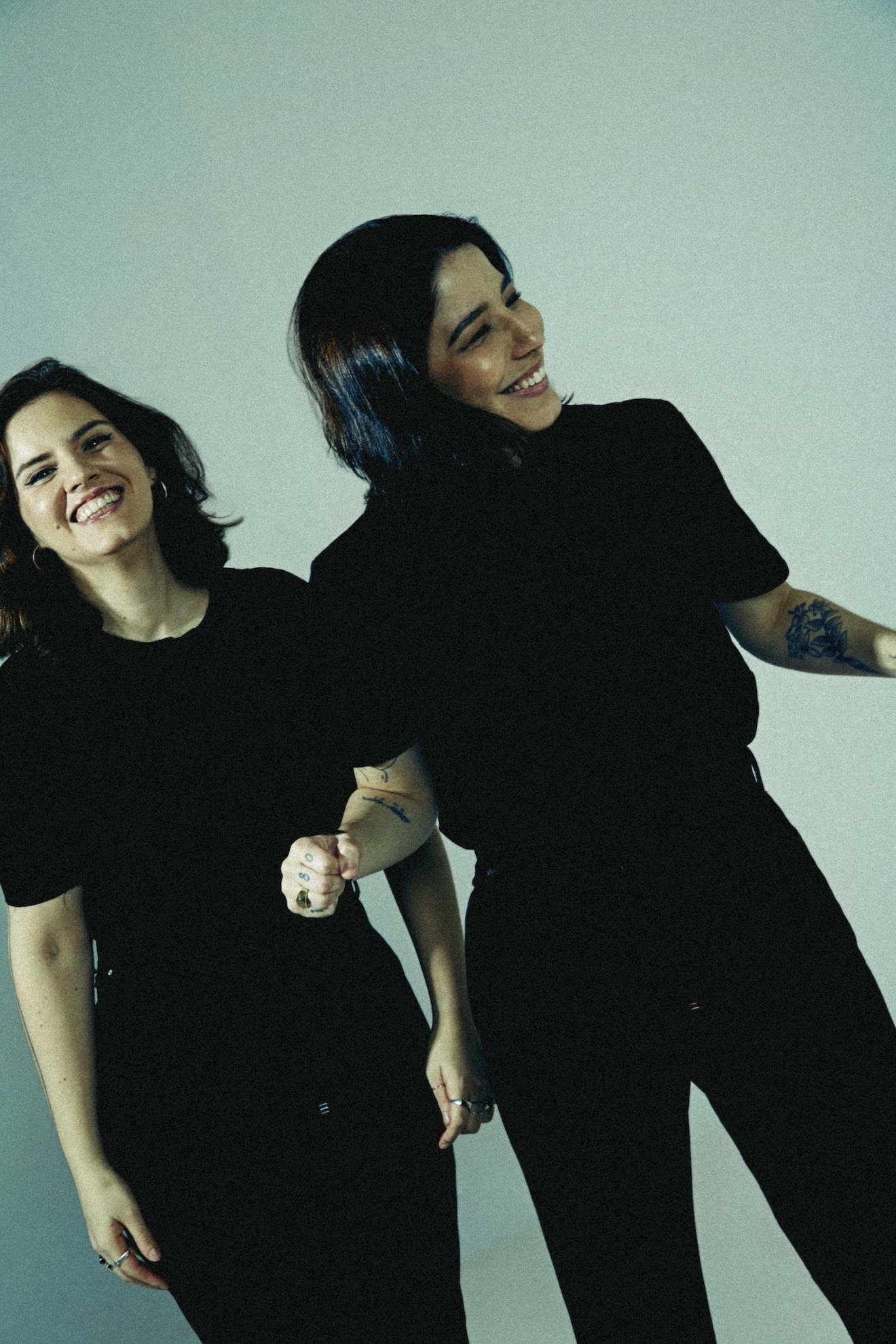
“Change is born out of discomfort. Within our scene, that has never been a limitation, quite the opposite, it has always been fuel.”
You share the dancefloor, life, and creation. What changes in the creative dynamic when an emotional bond is also present, and how do you learn to preserve the project without diluting the personal relationship?
That’s a question that always sparks curiosity (laughs). What’s interesting is that although From House to Disco has existed for almost a decade, Bruna and Lívia have been together for longer. Our dynamic came before the project. From House to Disco only emerged after three years, and that made a big difference.
There’s a lot of respect for space, individuality, and each other’s identity, and it’s precisely within that balance that the project exists. Maybe that’s why the creative dynamic flows so naturally. When we’re playing, for example, we communicate through our eyes. That’s where the magic happens (laughs).
Jokes aside, this also works because, individually, we’re people with strong personalities. We know how to recognize each other’s moments and how to draw out the best from them, whether in production or on stage. In the end, I think our intimacy deepens the creative work.
What are you preparing for the coming months, whether in the studio, on the dancefloor, or through new moves within the project?
There’s a lot of exciting stuff happening. The most recent news is that we’ve just joined an international agency, Metrópole, based in Berlin, in partnership with Atomic Soda. This is very special for us, because we’ve always been deeply driven by nightlife, by traveling, by being in different places, most of the time on our own.
Now, for the first time, this is happening in a structured, professional way, and it brings a really good sense of the project’s maturation. above all as a great friend. The label very much comes from this place of creative freedom for all of us, and from the desire to experiment with new things.
Another important development is that we’re launching our own label, Feed The Fever. Interestingly, it took a while for this to happen. A lot of people used to say we needed to have a label, and every time someone says we “need” to do something, our reaction tends to be going in the opposite direction. It’s always been like that. We never wanted to create a label out of vanity, status, or a logic of “now we have a label because we can.”
At the same time, we continue releasing music through other labels. We have some great invitations lined up for 2026, including a release on D.O.C Records (by Gui Boratto), an EP on the Spanish label Basement Discos, and also an invitation to release on Heels of Love, the label run by Eli Iwasa and Priscila Prestes.
Feed The Fever was born in a very unpretentious way. One day, having dinner at home with Ignácio (Ignácio Live), he mentioned that he was tired of making “things for labels,” and we really connected with that feeling. In that moment, the conversation came up: why not create a space to release our ideas, all in?
By the next day, the decision was already made. We even thought about creating an alter ego, but chose instead to embrace these other sides within the From House To Disco project itself. Ignácio is a fundamental partner in this process, as a musician, as an artistic ally, but
In addition, we’re venturing into something new for us: curating and producing showcases. For the first time, we’re bringing a European festival to Brazil, Resonica, in a more intimate showcase format, happening at the end of January at Martinelli in São Paulo, and at D-EDGE (São Paulo and Rio de Janeiro), together with L_cio.
The idea is to do this more frequently in 2026, bringing smaller parties and festivals with very consistent proposals that don’t yet circulate here. We feel there’s a lot of space beyond the big names and already established formats. We want to help oxygenate the scene, introduce new sounds, new artists, unexpected partnerships, using the privilege of being where we are to build bridges, offer different experiences, and keep the scene in motion.
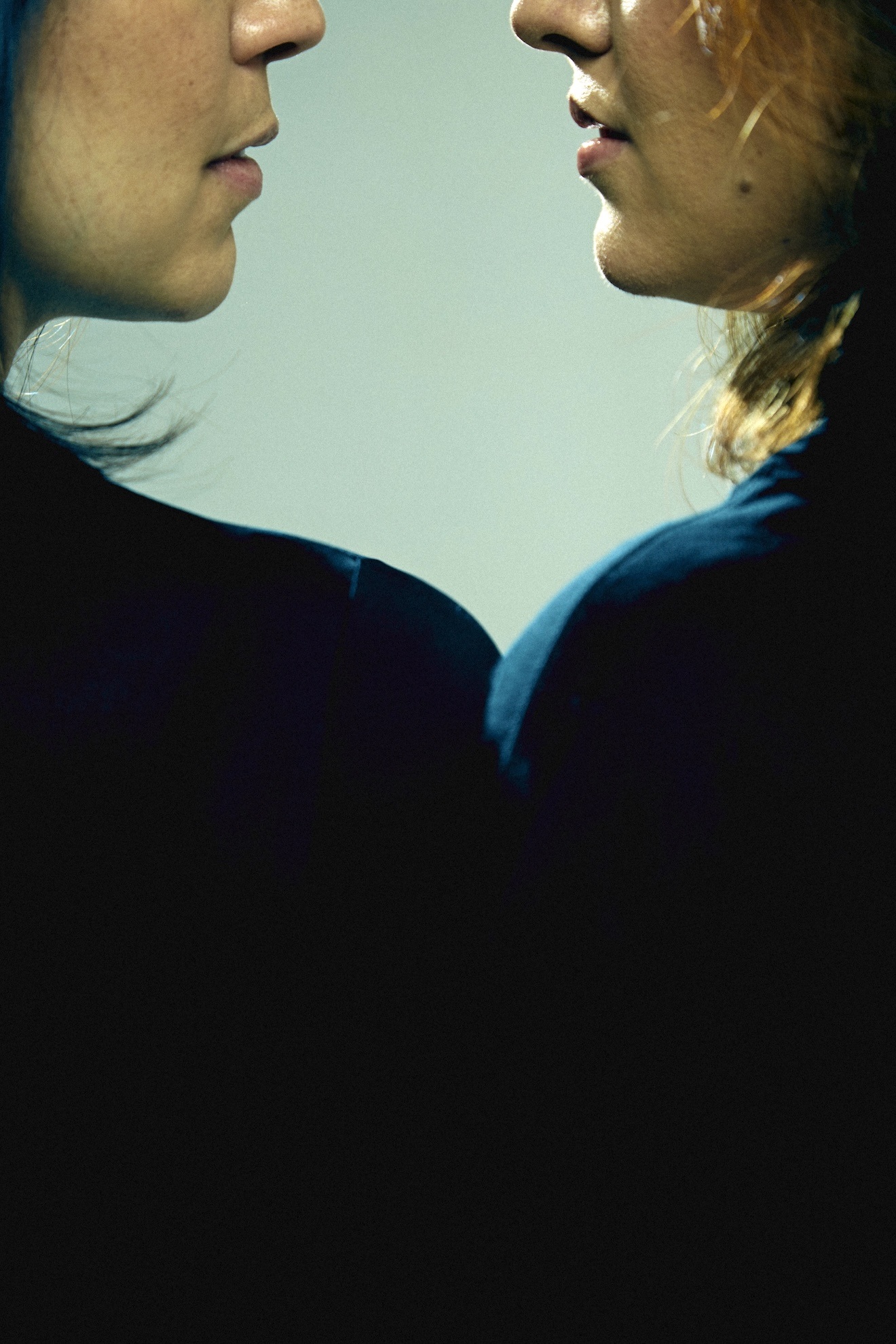
“Fall in love with music and don’t follow rules. It sounds simple, but that’s really it. When you start overthinking, you drift away from what truly matters.”
To close our conversation, if you could leave one piece of advice for those just starting out in music production, struggling through the creative process, what would it be?
Fall in love with music and don’t follow rules. It sounds simple, but that’s really it. When you start overthinking, you drift away from what truly matters.
Music is feeling. And when that disappears, maybe it’s time to reconnect with the reason you started in the first place. So allow yourself to fall in love again, and to repeat that process as many times as necessary.
Follow From House to Disco on: Instagram | Soundcloud | Bandcamp
