


 Interviews
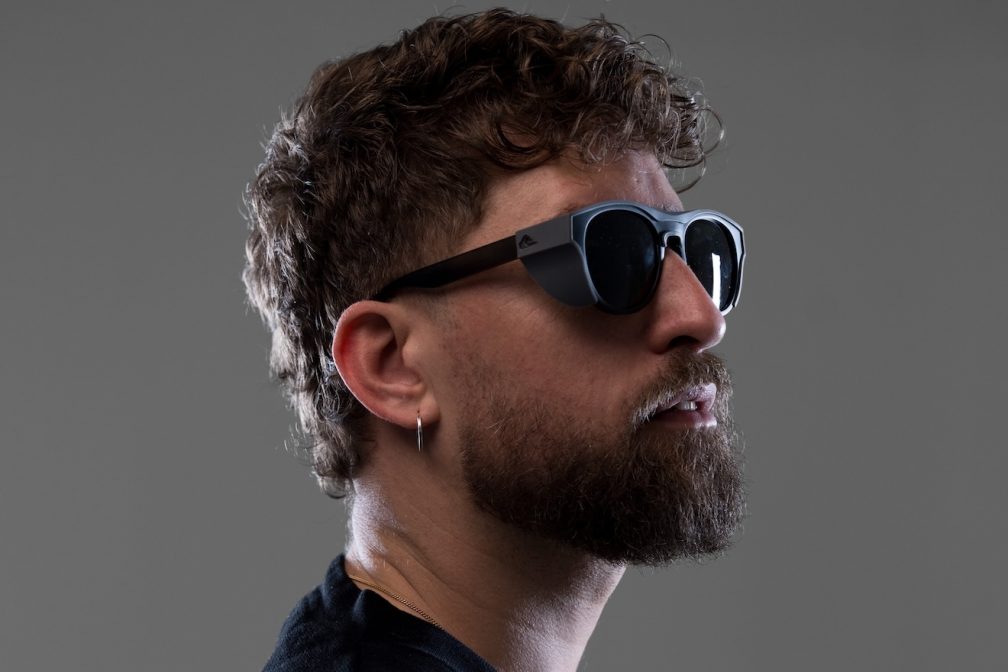
JATS fala sobre ‘Power’, Stereo Productions e sobre transformar a pista em parte da música
Produtor francês reflete sobre sua evolução artística, o crescimento internacional do projeto e uma abordagem cada vez mais voltada à participação do público
Para JATS, a trajetória de produtor de quarto a artista profissional foi construída a partir de curiosidade, experimentação e um senso de direção cada vez mais claro. O produtor francês começou organizando loops simples antes de descobrir o Reason, iniciar sua relação com o DJing e, mais tarde, escolher a música em vez de um possível caminho na moda. O que começou como uma paixão criativa evoluiu gradualmente para um projeto artístico estruturado e com uma visão definida.
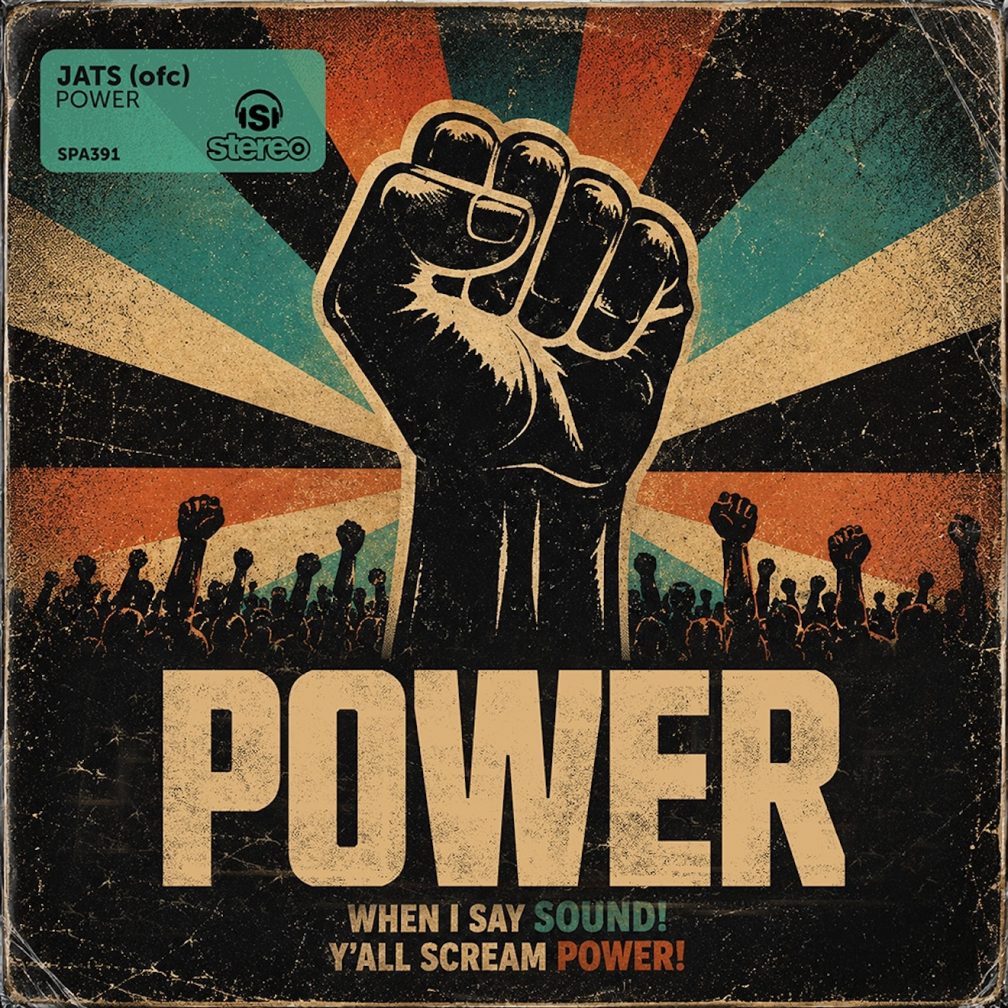
Essa evolução continua com “Power”, sua estreia pela Stereo Productions, gravadora de Chus & Ceballos. Com influências de house, hip hop old school e funk, a faixa explora o interesse de JATS em tornar a música interativa. Seu conceito de chamada e resposta foi pensado para convidar o público a participar da faixa, transformando a reação física da pista em parte da experiência e dando à música uma identidade própria.
Cover Story | Nova edição de 'Artists to Watch' reúne cinco artistas em ascensão da cena eletrônica global
O lançamento chega após trabalhos pela DAYS like NIGHTS, VIVa MUSIC, Mektoub Records, REDOLENT e Purified, enquanto as produções de JATS já receberam suporte de artistas como Black Coffee, Solomun, DJ Chus e Bob Sinclar. Por trás dessa crescente visibilidade está um projeto mais estruturado, acompanhado por uma compreensão mais clara de sua direção artística e do universo que pretende construir em torno de sua música.
Em entrevista à Mixmag Brasil, JATS fala sobre seus primeiros passos criativos, a evolução de sua identidade artística e o processo por trás de “Power”. O produtor também aborda sua relação com a Stereo Productions, o impacto prático do suporte de DJs estabelecidos e a próxima fase do projeto, com novas faixas, colaborações e remixes já em desenvolvimento enquanto continua explorando interação e experiência coletiva por meio da música.
Read Next | JATS estreia na Stereo Productions com 'Power' e amplia projeção na cena global de house
For JATS, the journey from bedroom producer to professional artist has been shaped by curiosity, experimentation and an increasingly clear sense of direction. The French producer began by arranging simple loops before discovering Reason, taking up DJing alongside production and eventually choosing music over a possible path in fashion. What began as a creative passion has gradually developed into a structured artistic project with a defined vision.
That evolution continues with “Power”, his debut release on Chus & Ceballos’ Stereo Productions. Drawing on house, old school hip hop and funk influences, the track explores JATS’ interest in making music interactive. Its call and response concept was designed to invite the audience into the record, turning the physical response of the crowd into part of the experience and giving the track its distinctive identity.
The release arrives after music on DAYS like NIGHTS, VIVa MUSIC, Mektoub Records, REDOLENT and Purified, while JATS’ productions have received support from artists including Black Coffee, Solomun, DJ Chus and Bob Sinclar. Behind that growing visibility is a more structured project, alongside a clearer understanding of his artistic direction and the kind of world he wants to create around his music.
Speaking to Mixmag Brasil, JATS discusses his creative beginnings, the evolution of his artistic identity and the thinking behind “Power”. He also reflects on his relationship with Stereo Productions, the practical impact of support from established DJs and the next phase of the project, with new tracks, collaborations and remixes already taking shape as he continues exploring interaction and collective experience through his music.
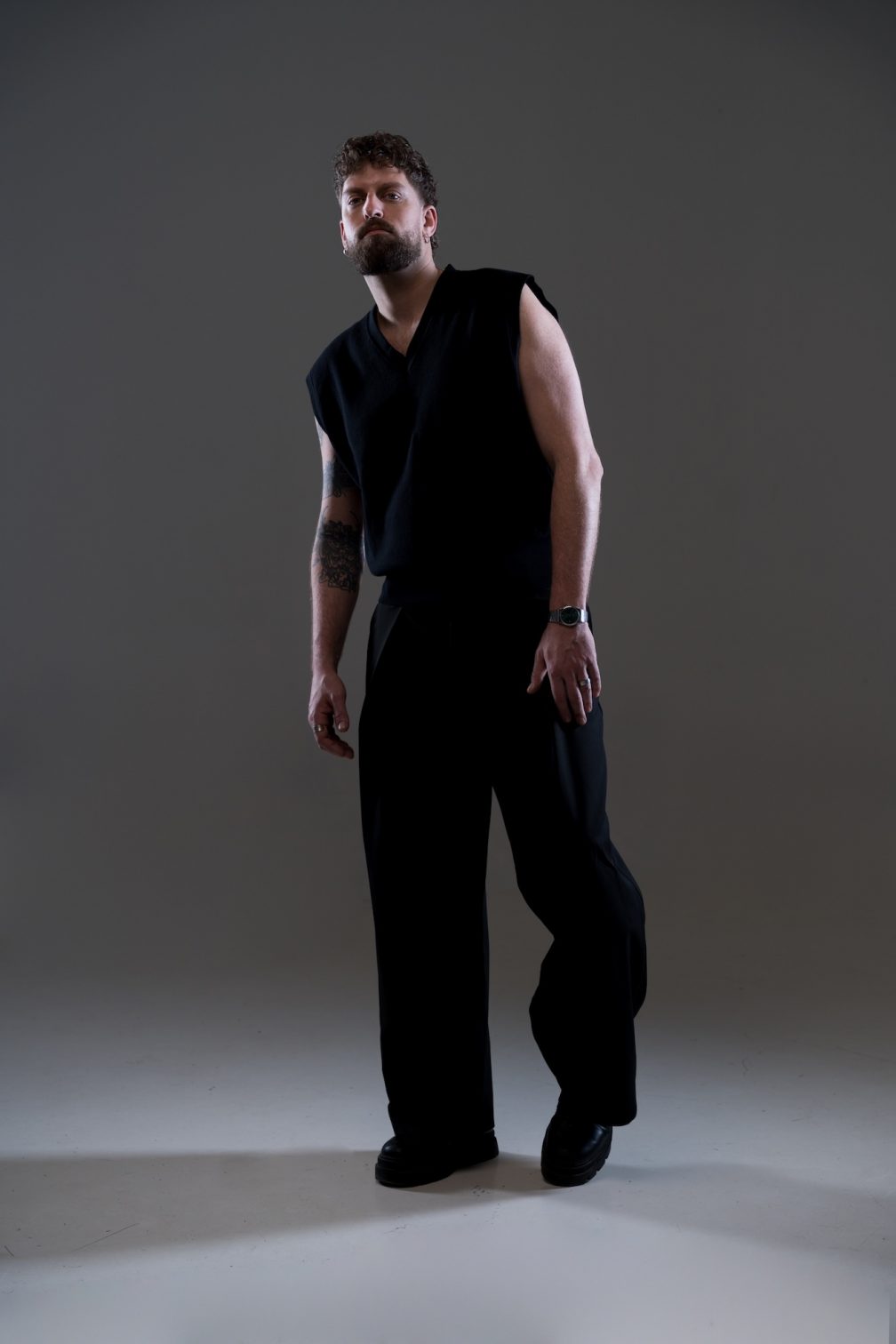
Q+A: JATS (English)
Let’s start at the beginning. What first drew you into electronic music, and when did producing your own records become something you wanted to pursue seriously?
I've always listened to a lot of music from a very young age, and not only electronic music. It's actually difficult for me to remember the exact moment when I became interested in producing.
I think it started when I got a very simple piece of software on my computer that allowed me to put loops together. It was basic, but for the first time, I had this feeling that I'd created something.
At the same time, I was already constantly digging for music, building selections for my iPod, burning CDs and sharing discoveries with friends who had the same passion. We were already acting like little diggers without really thinking about it.
Then I discovered Reason. It felt incredibly complex at first, but suddenly I could actually create music rather than simply arrange loops. Around the same time, I met other people in my city who were also starting to produce, and I began DJing alongside production. That's when it really became a passion.
There was something magical about creating a piece of music and knowing that, at that exact moment, I was the only person in the world who could hear it. That feeling became more and more addictive.
Eventually, music started taking up more of my life. My first releases came out on labels from my region and later on labels abroad. I still remember &ME charting one of my early house tracks. I was making music in my bedroom with very little experience, so seeing an international artist who inspired me discover and support something I'd created felt incredible.
The real turning point probably came during my studies. I passed a competitive entrance exam for an art school in Lyon and spent a year studying Applied Arts, with the idea of eventually going into fashion design. At the end of that year, I realised I had a decision to make. Pursuing two demanding creative careers seriously at the same time would be difficult.
So I chose music.
I think that was the moment when, perhaps without fully realising it, I decided that music wasn't going to remain just a passion. I wanted it to become part of my everyday life.
Fashion is still somewhere in my mind, though. Maybe one day I'll find a way to connect it with my music.
You come from France, a country with a particularly influential electronic music history. What was the musical environment around you like growing up, and how, if at all, did it influence the artist you became?
I grew up in what I would describe as a fairly ordinary family. Music wasn't constantly playing in the house, but it was definitely present.
I remember my father buying a keyboard and spending time trying to teach himself how to play. But more broadly, I grew up surrounded by creativity because my mother is a painter.
I was always drawing, painting, creating things or customising clothes. So even if I didn't necessarily grow up in a specifically musical environment, I grew up in an artistic one.
My family gave me the freedom to create and explore different forms of expression, and they always encouraged that side of me.
Of course, when I started taking music more seriously, it was probably a little frightening for my parents - and I completely understand why. They wanted me to have some security because the music industry was an unknown world to them. It was unknown to me too.
Looking back, I think that environment shaped me more through creativity than through any specific musical influence. It taught me to be curious, self-taught and to create instinctively around whatever genuinely excited me.
You have already released across DAYS like NIGHTS, VIVa MUSIC, Mektoub Records, REDOLENT and Purified. Looking back at those records, where do you hear the biggest evolution between the producer you were at the beginning and the artist behind “Power” today?
The biggest evolution isn't only something I hear in the music. It's in my understanding of the industry, the way I think, and especially the vision I now have for my artistic project.
I always try to keep the playful side of creating music alive because that's essential to me. But today there's a much clearer direction and a stronger thread connecting everything I do.
Music is also no longer only a passion - it's my profession.
There's now a real structure around JATS, and I'm no longer building everything alone. I've joined Arkana Artists for management and Redolent for booking, which allows me to spend more time focusing on the part that matters most to me: creating and developing the artistic vision.
So when I compare the producer I was at the beginning with the artist behind Power today, I think the biggest difference is intention. I'm not simply producing tracks anymore. I'm building an artistic universe.
“Power” is built around a strong sense of collective energy, with its call and response vocal inviting the crowd into the record. Where did the original idea come from, and how did you develop it into the finished track?
Since relaunching my own project as JATS, I've constantly been asking myself how I can bring something new into my music. What hasn't been explored yet? What could push my sound forward while still feeling completely natural to me?
After exploring a lot of different ideas, I became fascinated by the possibility of making the music interactive.
Turning that idea into an actual record became a challenge because it's a delicate concept. If you don't execute it properly, it can very quickly sound cheap or gimmicky.
The original idea was to create a house record with the energy of an old-school MC hyping a crowd during a breakdance battle. That naturally led me towards old-school hip-hop influences because I wanted the track to have a very specific colour and atmosphere.
I started producing with that vision, but I didn't fully realise at first that I was creating something the audience would understand almost instantly and physically participate in.
The track kept evolving as I imagined myself experiencing it for the first time in the middle of a festival crowd. I structured it around that interaction while keeping it immersive and, importantly, functional as a club record.
I wanted DJs from different musical worlds to be able to play it while keeping the concept intact.
It was completely new territory for me, and that's what made creating Power so exciting.
The production brings together rolling percussion, funk influenced grooves and classic house references with a contemporary approach. What were you looking for sonically with “Power”, and what separates it from your previous releases?
That retro, old-school touch had already started finding its way into some of my more house-oriented productions.
You can hear it, for example, on SAINT FER, my collaboration with my friends Moarasiá, which we released through our own Saint Fer label. So in that sense, Power felt like a natural continuation of something I was already exploring.
What really separates Power from my previous releases is the intention behind it.
For the first time, I wasn't only thinking about what the listener would hear or feel. I was thinking about what they would do.
The audience becomes an active part of the record. The old-school hip-hop and funk influences give it its character, but the interaction is what gives Power its identity.
You have described releasing on Stereo Productions as a milestone, having followed the label’s sound and legacy for years. What was your relationship with the label before “Power”, and what made you feel this particular track belonged there?
I've been playing music from Stereo Productions for many years, so it's a label I've always respected and genuinely loved.
I started talking with DJ Chus and sharing some of the new music I had been working on. I sent him Power exclusively so he could test it in his sets.
Through those conversations, I felt a genuine interest in my music and, more importantly, a similar vision. There was a shared desire to contribute something to electronic music and help it evolve rather than simply release another record for the sake of releasing one.
That connection was really important to me.
I felt that the vision behind JATS was understood - not only the track itself - and that's ultimately what made me confident that Stereo Productions was the right home for Power.
“Power” picked up early support from Solomun and DJ Chus, adding to previous backing from Black Coffee, Pablo Fierro, Francis Mercier and Bob Sinclar. When artists at that level start playing and supporting your music, what changes for an emerging producer in practical terms?
It changes a lot.
First of all, it gives credibility to your project. It also gives your music visibility among audiences that might otherwise never discover it.
With Power, that early support meant the track was reaching people before it was even officially released. Without DJs at that level playing it, there's no way it would have been discovered by so many people so early.
It also creates a wider circle of support around a release. Other DJs discover it, listeners start looking for it, people share videos from the dancefloor, and suddenly the record begins to have a life of its own.
I'm genuinely grateful to all of them for that support.
I think established artists supporting emerging producers is incredibly important. When someone's music resonates with your own sensitivity, helping that artist bring their vision to life can have a much bigger impact than people sometimes realise.
With “Power” marking another step forward in your career, what is already taking shape for the next chapter? What can you tell us about upcoming releases, collaborations, shows and the direction you want to explore next with JATS?
With Power and my recent releases, I feel like JATS is entering a new chapter - one that will allow me to take my artistic vision further internationally and share it with new audiences.
The response I've received gives me the confidence to continue exploring new concepts built around bringing people together and placing the listener at the centre of the music.
I already have more tracks ready that develop this interactive approach, combining contemporary electronic production with old-school influences coming from hip-hop, disco, funk and beyond.
There are also some exciting collaborations and remixes currently taking shape in the studio, all connected by that same artistic sensitivity.
For me, the next step isn't about locking JATS into one particular genre. It's about continuing to develop this world where music becomes something people don't simply consume - they participate in it.
So follow the journey, interact with it and discover what's coming next. You're not just watching the project grow - you’re part of it.
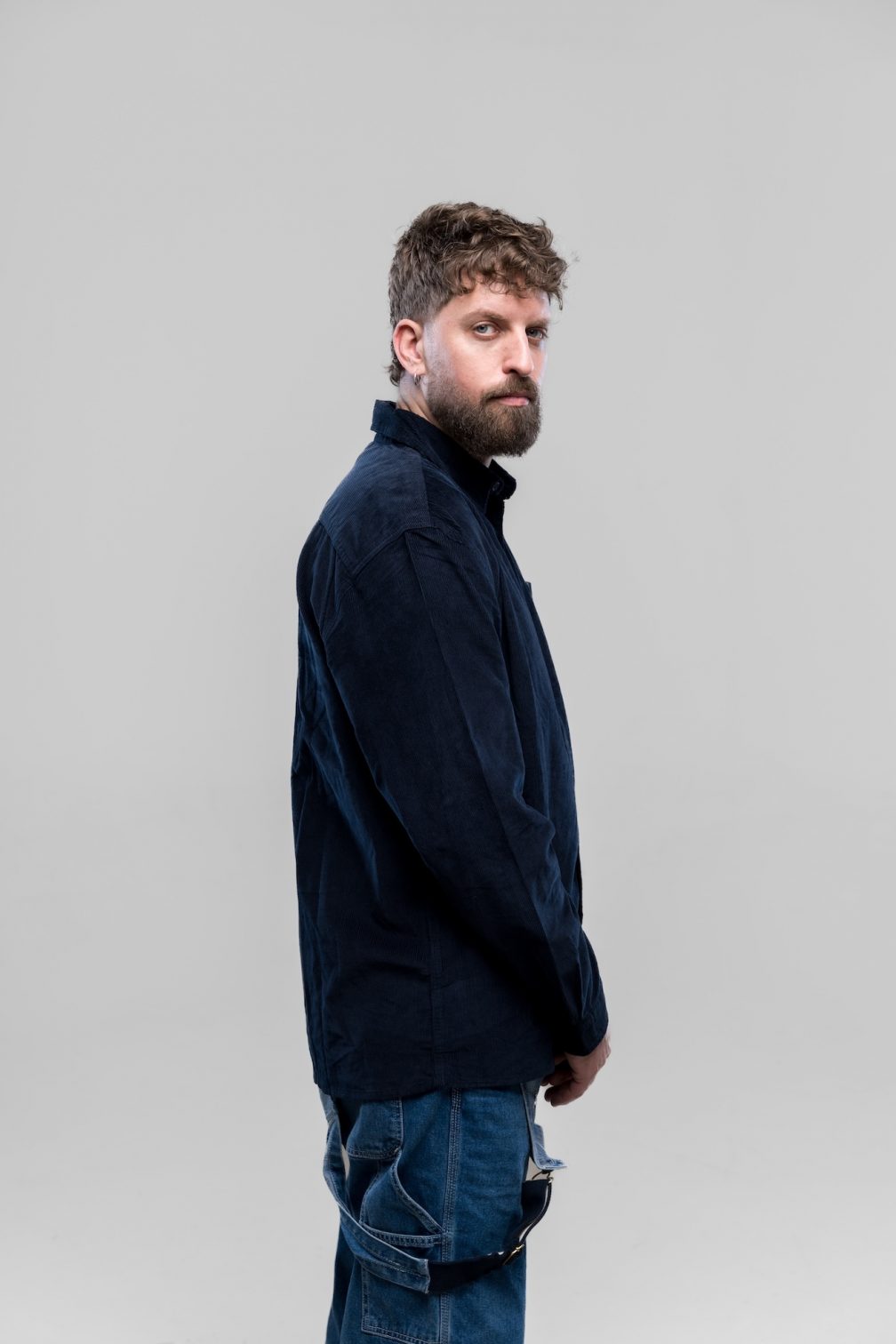
Q+A: JATS (Portuguese)
Vamos começar pelo início. O que primeiro despertou seu interesse pela música eletrônica e quando produzir suas próprias faixas se tornou algo que você queria levar a sério?
Sempre ouvi muita música desde muito novo, e não apenas música eletrônica. Na verdade, é difícil para mim lembrar o momento exato em que comecei a me interessar por produção.
Acho que começou quando instalei no computador um software muito simples que me permitia juntar loops. Era básico, mas, pela primeira vez, tive a sensação de que havia criado alguma coisa.
Ao mesmo tempo, eu já estava constantemente pesquisando música, criando seleções para o meu iPod, gravando CDs e compartilhando descobertas com amigos que tinham a mesma paixão. Já éramos pequenos diggers sem realmente pensar nisso.
Depois descobri o Reason. No começo, parecia incrivelmente complexo, mas, de repente, eu conseguia realmente criar música em vez de simplesmente organizar loops. Na mesma época, conheci outras pessoas na minha cidade que também estavam começando a produzir e comecei a tocar como DJ paralelamente à produção. Foi quando isso realmente se tornou uma paixão.
Havia algo mágico em criar uma música e saber que, naquele exato momento, eu era a única pessoa no mundo que podia ouvi-la. Essa sensação se tornou cada vez mais viciante.
Com o tempo, a música começou a ocupar uma parte maior da minha vida. Meus primeiros lançamentos saíram por gravadoras da minha região e, mais tarde, por gravadoras de outros países. Ainda me lembro de &ME ter incluído uma das minhas primeiras faixas de house em um de seus charts. Eu fazia música no meu quarto com pouquíssima experiência, então ver um artista internacional que me inspirava descobrir e apoiar algo que eu havia criado foi incrível.
A verdadeira virada provavelmente aconteceu durante meus estudos. Passei em um processo seletivo concorrido para uma escola de arte em Lyon e passei um ano estudando Artes Aplicadas, com a ideia de eventualmente seguir para o design de moda. No final daquele ano, percebi que precisava tomar uma decisão. Seguir seriamente duas carreiras criativas tão exigentes ao mesmo tempo seria difícil.
Então escolhi a música.
Acho que foi naquele momento que, talvez sem perceber completamente, decidi que a música não continuaria sendo apenas uma paixão. Eu queria que ela se tornasse parte da minha vida cotidiana.
A moda ainda está em algum lugar da minha mente. Talvez um dia eu encontre uma maneira de conectá-la à minha música.
Você vem da França, um país com uma história particularmente influente na música eletrônica. Como era o ambiente musical ao seu redor enquanto crescia e como, se é que isso aconteceu, ele influenciou o artista que você se tornou?
Cresci no que eu descreveria como uma família bastante comum. A música não tocava constantemente em casa, mas definitivamente estava presente.
Lembro do meu pai comprar um teclado e passar um tempo tentando aprender a tocar sozinho. Mas, de forma mais ampla, cresci cercado por criatividade porque minha mãe é pintora.
Eu estava sempre desenhando, pintando, criando coisas ou customizando roupas. Então, mesmo que eu não tenha necessariamente crescido em um ambiente especificamente musical, cresci em um ambiente artístico.
Minha família me deu liberdade para criar e explorar diferentes formas de expressão, e sempre incentivou esse meu lado.
Claro, quando comecei a levar a música mais a sério, provavelmente foi um pouco assustador para os meus pais, e entendo completamente o motivo. Eles queriam que eu tivesse alguma segurança porque a indústria musical era um mundo desconhecido para eles. Também era desconhecido para mim.
Olhando para trás, acho que esse ambiente me moldou mais por meio da criatividade do que por qualquer influência musical específica. Ele me ensinou a ser curioso, autodidata e a criar instintivamente em torno daquilo que genuinamente me entusiasmava.
Você já lançou por DAYS like NIGHTS, VIVa MUSIC, Mektoub Records, REDOLENT e Purified. Olhando para esses trabalhos, onde você percebe a maior evolução entre o produtor que era no início e o artista por trás de “Power” hoje?
A maior evolução não é apenas algo que ouço na música. Está na minha compreensão da indústria, na maneira como penso e, especialmente, na visão que tenho hoje para o meu projeto artístico.
Sempre tento manter vivo o lado divertido de criar música porque isso é essencial para mim. Mas hoje existe uma direção muito mais clara e um fio condutor mais forte conectando tudo o que faço.
A música também deixou de ser apenas uma paixão. É a minha profissão.
Hoje existe uma estrutura real em torno de JATS, e já não estou construindo tudo sozinho. Entrei para a Arkana Artists para management e para a Redolent para booking, o que me permite passar mais tempo focado na parte que mais importa para mim: criar e desenvolver a visão artística.
Então, quando comparo o produtor que eu era no início com o artista por trás de Power hoje, acho que a maior diferença é a intenção. Já não estou simplesmente produzindo faixas. Estou construindo um universo artístico.
“Power” é construída em torno de um forte senso de energia coletiva, com seu vocal em formato de chamada e resposta convidando o público a participar da faixa. De onde surgiu a ideia original e como você a desenvolveu até chegar à versão final?
Desde que relancei meu próprio projeto como JATS, tenho me perguntado constantemente como posso trazer algo novo para a minha música. O que ainda não foi explorado? O que poderia levar meu som adiante e, ao mesmo tempo, continuar parecendo completamente natural para mim?
Depois de explorar muitas ideias diferentes, fiquei fascinado pela possibilidade de tornar a música interativa.
Transformar essa ideia em uma faixa de verdade se tornou um desafio porque é um conceito delicado. Se você não executá-lo corretamente, ele pode muito rapidamente soar barato ou forçado.
A ideia original era criar uma faixa de house com a energia de um MC old school animando o público durante uma batalha de breakdance. Isso naturalmente me levou em direção a influências do hip hop old school porque eu queria que a faixa tivesse uma cor e uma atmosfera muito específicas.
Comecei a produzir com essa visão, mas, no início, não percebi completamente que estava criando algo que o público entenderia quase instantaneamente e do qual participaria fisicamente.
A faixa continuou evoluindo enquanto eu me imaginava vivenciando aquilo pela primeira vez no meio do público de um festival. Estruturei a música em torno dessa interação, mantendo ao mesmo tempo seu caráter imersivo e, principalmente, sua funcionalidade como uma faixa de clube.
Eu queria que DJs de diferentes universos musicais pudessem tocá-la mantendo o conceito intacto.
Era um território completamente novo para mim, e foi isso que tornou a criação de Power tão empolgante.
A produção reúne percussões contínuas, grooves com influência do funk e referências do house clássico com uma abordagem contemporânea. O que você buscava sonoramente com “Power” e o que a diferencia dos seus lançamentos anteriores?
Esse toque retrô, old school, já havia começado a aparecer em algumas das minhas produções mais voltadas para o house.
Você pode ouvi-lo, por exemplo, em SAINT FER, minha colaboração com meus amigos Moarasiá, que lançamos pelo nosso próprio selo Saint Fer. Então, nesse sentido, Power pareceu uma continuação natural de algo que eu já estava explorando.
O que realmente diferencia Power dos meus lançamentos anteriores é a intenção por trás dela.
Pela primeira vez, eu não estava pensando apenas no que o ouvinte ouviria ou sentiria. Estava pensando no que ele faria.
O público se torna uma parte ativa da faixa. As influências de hip hop old school e funk dão a ela seu caráter, mas é a interação que dá a Power sua identidade.
Você descreveu o lançamento pela Stereo Productions como um marco, tendo acompanhado o som e o legado da gravadora por anos. Qual era sua relação com o selo antes de “Power” e o que fez você sentir que essa faixa pertencia à Stereo Productions?
Tenho tocado músicas da Stereo Productions há muitos anos, então é uma gravadora que sempre respeitei e da qual genuinamente gostei.
Comecei a conversar com DJ Chus e a compartilhar algumas das novas músicas em que estava trabalhando. Enviei Power exclusivamente para ele para que pudesse testá-la em seus sets.
Por meio dessas conversas, senti um interesse genuíno pela minha música e, mais importante, uma visão semelhante. Havia um desejo compartilhado de contribuir com algo para a música eletrônica e ajudá-la a evoluir em vez de simplesmente lançar mais uma faixa apenas por lançar.
Essa conexão foi muito importante para mim.
Senti que a visão por trás de JATS havia sido compreendida, não apenas a faixa em si, e foi isso que, no fim, me deu confiança de que a Stereo Productions era o lugar certo para Power.
“Power” recebeu suporte inicial de Solomun e DJ Chus, somando-se ao apoio anterior de Black Coffee, Pablo Fierro, Francis Mercier e Bob Sinclar. Quando artistas desse nível começam a tocar e apoiar sua música, o que muda, em termos práticos, para um produtor emergente?
Muda muita coisa.
Em primeiro lugar, isso dá credibilidade ao seu projeto. Também dá visibilidade à sua música entre públicos que, de outra forma, talvez nunca a descobrissem.
Com Power, esse apoio inicial significou que a faixa estava chegando às pessoas antes mesmo de ser lançada oficialmente. Sem DJs desse nível tocando a música, não haveria como ela ter sido descoberta por tantas pessoas tão cedo.
Isso também cria um círculo mais amplo de apoio em torno de um lançamento. Outros DJs descobrem a faixa, os ouvintes começam a procurá-la, as pessoas compartilham vídeos da pista e, de repente, a música começa a ganhar vida própria.
Sou genuinamente grato a todos eles por esse apoio.
Acho que artistas estabelecidos apoiarem produtores emergentes é algo incrivelmente importante. Quando a música de alguém conversa com a sua própria sensibilidade, ajudar esse artista a dar vida à sua visão pode ter um impacto muito maior do que as pessoas às vezes imaginam.
Com “Power” marcando mais um passo na sua carreira, o que já começa a tomar forma para o próximo capítulo? O que você pode nos contar sobre próximos lançamentos, colaborações, shows e a direção que deseja explorar daqui para frente com JATS?
Com Power e meus lançamentos recentes, sinto que JATS está entrando em um novo capítulo, que me permitirá levar minha visão artística mais longe internacionalmente e compartilhá-la com novos públicos.
A resposta que tenho recebido me dá confiança para continuar explorando novos conceitos construídos em torno de aproximar as pessoas e colocar o ouvinte no centro da música.
Já tenho mais faixas prontas que desenvolvem essa abordagem interativa, combinando produção eletrônica contemporânea com influências old school vindas do hip hop, disco, funk e além.
Também existem algumas colaborações e remixes empolgantes tomando forma atualmente no estúdio, todos conectados por essa mesma sensibilidade artística.
Para mim, o próximo passo não é prender JATS a um gênero específico. É continuar desenvolvendo esse mundo em que a música se torna algo que as pessoas não simplesmente consomem. Elas participam dela.
Então acompanhe a jornada, interaja com ela e descubra o que vem a seguir. Você não está apenas assistindo ao projeto crescer. Você faz parte dele.
Read Next | Juan Hansen conecta suas diferentes identidades musicais no álbum de estreia ‘Ultrasonido’
JATS - Power is out now via Stereo Productions. Get it here!
Follow JATS on Instagram
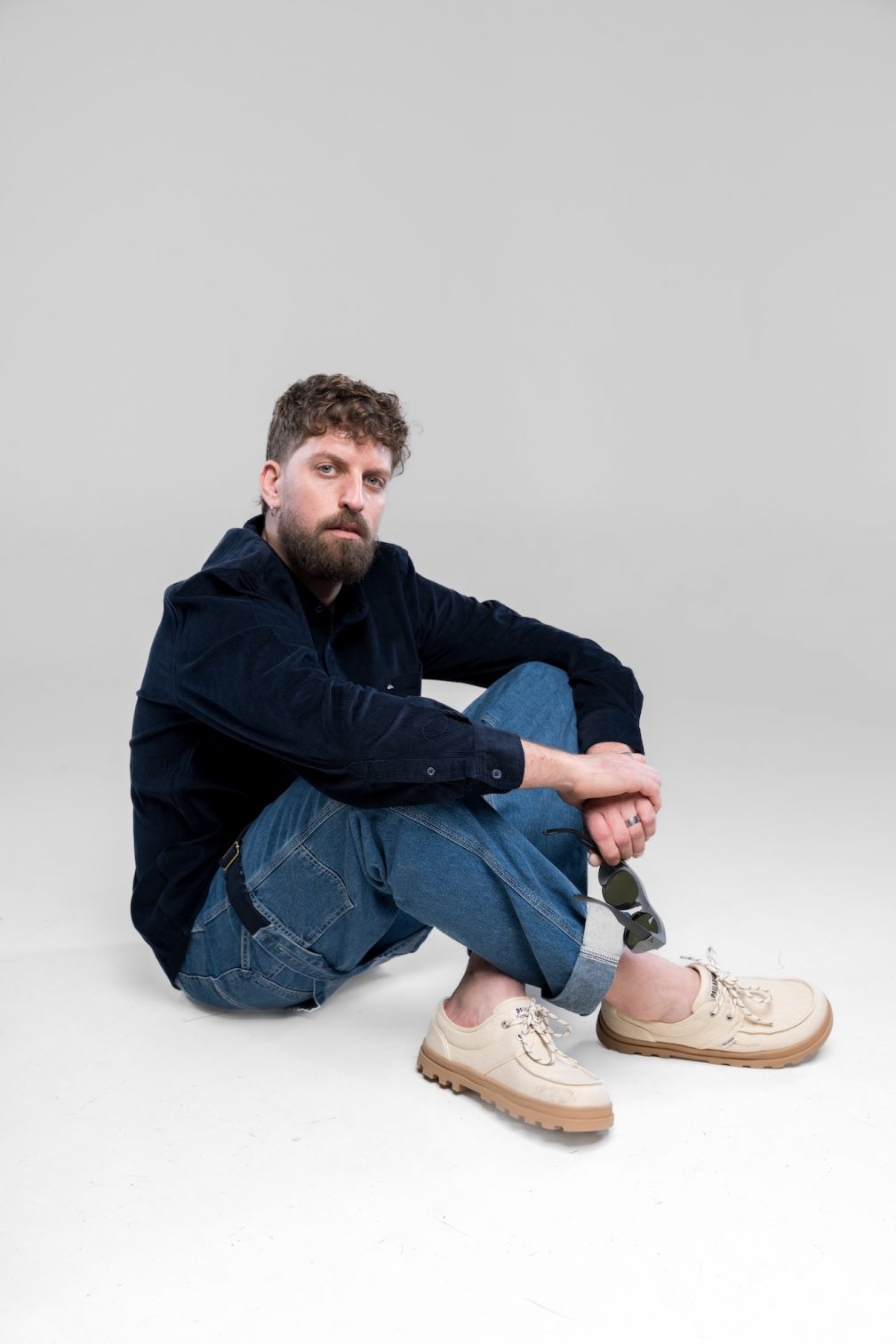
Photos: Stfer Studio
